

Buying a lakefront home is about much more than the house itself. You’re also buying into an ecosystem that will shape your family’s lifestyle for years to come.
A crystal-clear lake can provide decades of swimming, fishing, kayaking, boating, and unforgettable sunsets. An unhealthy lake, on the other hand, can lead to recurring algae blooms, poor fishing, unpleasant odors, restrictions on recreation, and expensive environmental projects.
The good news is that you don’t have to be a scientist to recognize the signs of a healthy lake. With a little homework and a careful eye, you can confidently evaluate whether a lake is likely to provide the lifestyle you’re dreaming about.
Every Lake Has a Personality
One of the biggest misconceptions buyers have is assuming all lakes are essentially the same. Nothing could be further from the truth.
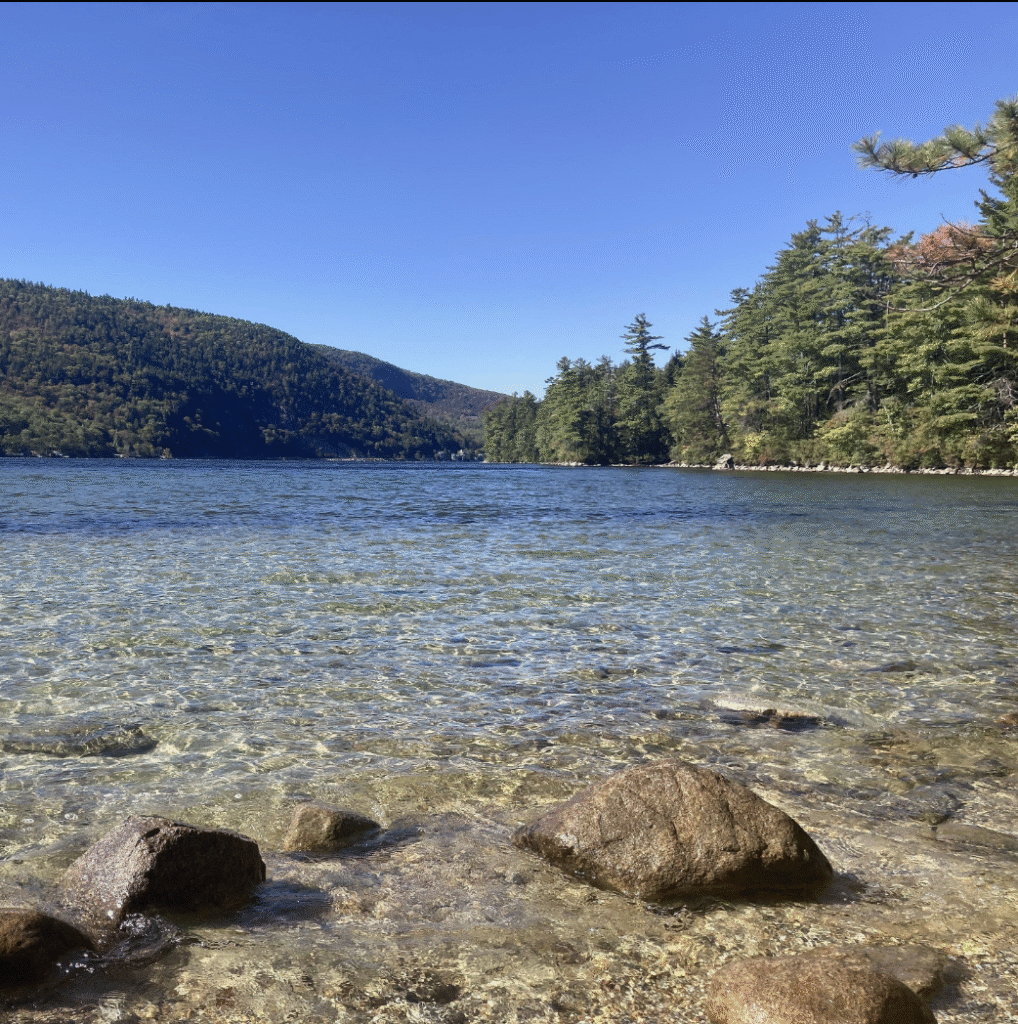
Some lakes are naturally deep and spring-fed with exceptional water clarity. Others are shallow, nutrient-rich lakes that naturally experience more aquatic vegetation and seasonal algae growth. Neither is necessarily “bad,” but understanding the differences helps set realistic expectations.
Just like every home is unique, every lake has its own personality.
Ask About Water Quality Testing
The easiest place to begin is simply looking at the water.
Healthy lakes often have:
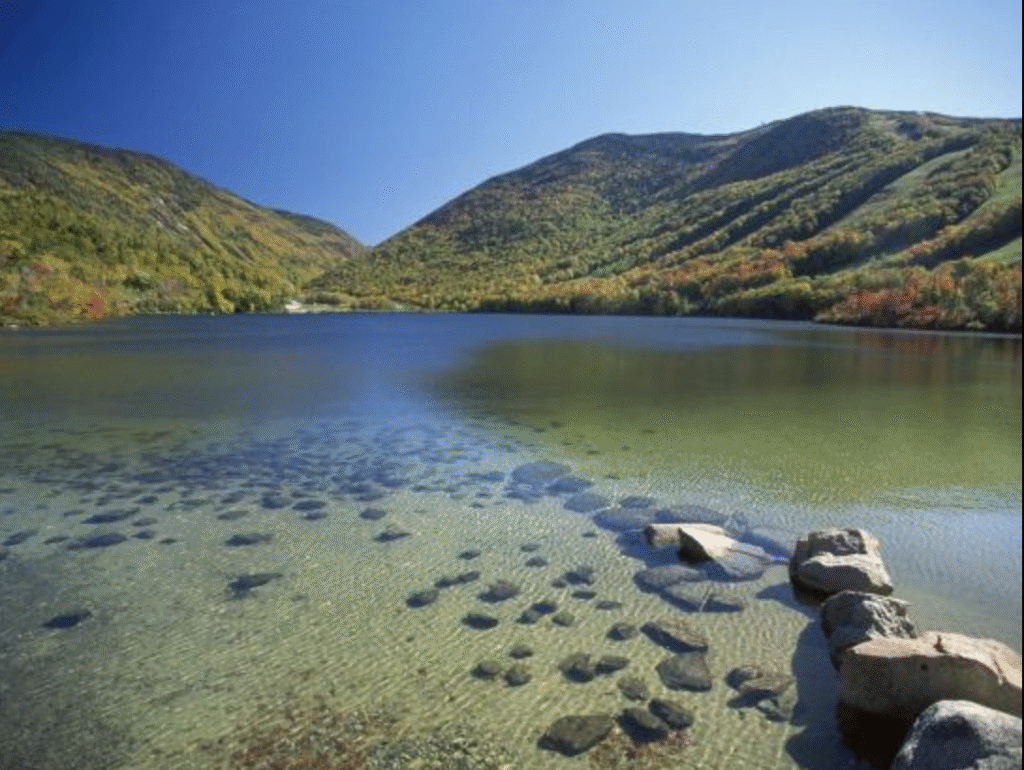
Clear or moderately clear water
Natural shoreline vegetation
Little or no unpleasant odor
Healthy populations of fish and wildlife
Minimal floating debris
Don’t be fooled by water color alone. Some perfectly healthy lakes have naturally dark water because of surrounding forests and organic materials. What matters more is consistency, cleanliness, and whether the lake appears balanced.
Visit More Than Once
Many buyers make the mistake of seeing a lake only one time.
If possible, visit:
Morning
Afternoon
Weekend
Weekday
Even better, visit during different seasons.
A lake that looks beautiful in May may experience heavy aquatic weed growth in August. Likewise, a quiet weekday may not accurately represent weekend boat traffic.
Seeing the lake under different conditions provides a much better picture of everyday life.
Look Around the Shoreline
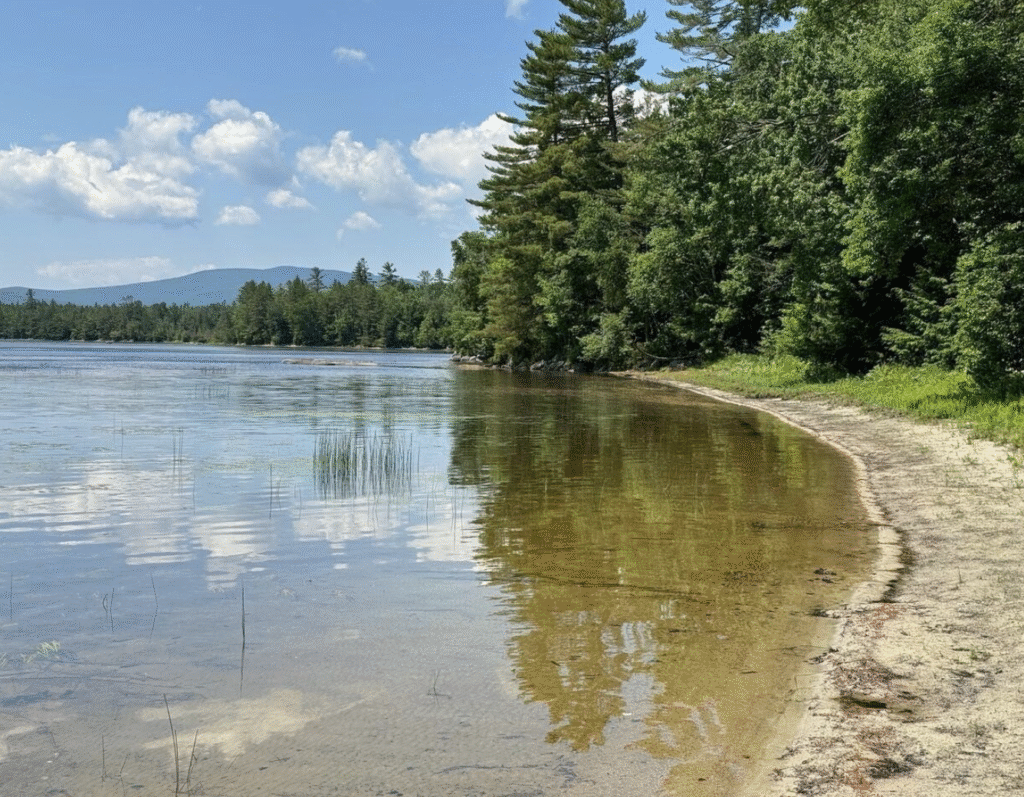
Healthy shorelines often tell the story of a healthy lake.
Watch for:
Natural vegetation
Stable banks
Minimal erosion
Healthy trees
Good wildlife habitat
Shorelines stripped completely of vegetation can contribute to erosion and poor water quality. Native plants actually help filter runoff before it reaches the lake.
Ask About Water Quality Testing
Many lakes are regularly monitored by lake associations, conservation groups, or state environmental agencies.
Ask questions such as:
Has the lake experienced harmful algae blooms?
Is water clarity measured?
Are bacteria levels monitored?
Are there long-term water quality reports?
Historical trends are often more important than a single test.
A lake with decades of stable water quality is generally a reassuring sign.
Learn About Algae
The word “algae” often scares buyers unnecessarily.
Not all algae are dangerous.
Many lakes naturally develop harmless algae throughout the summer.
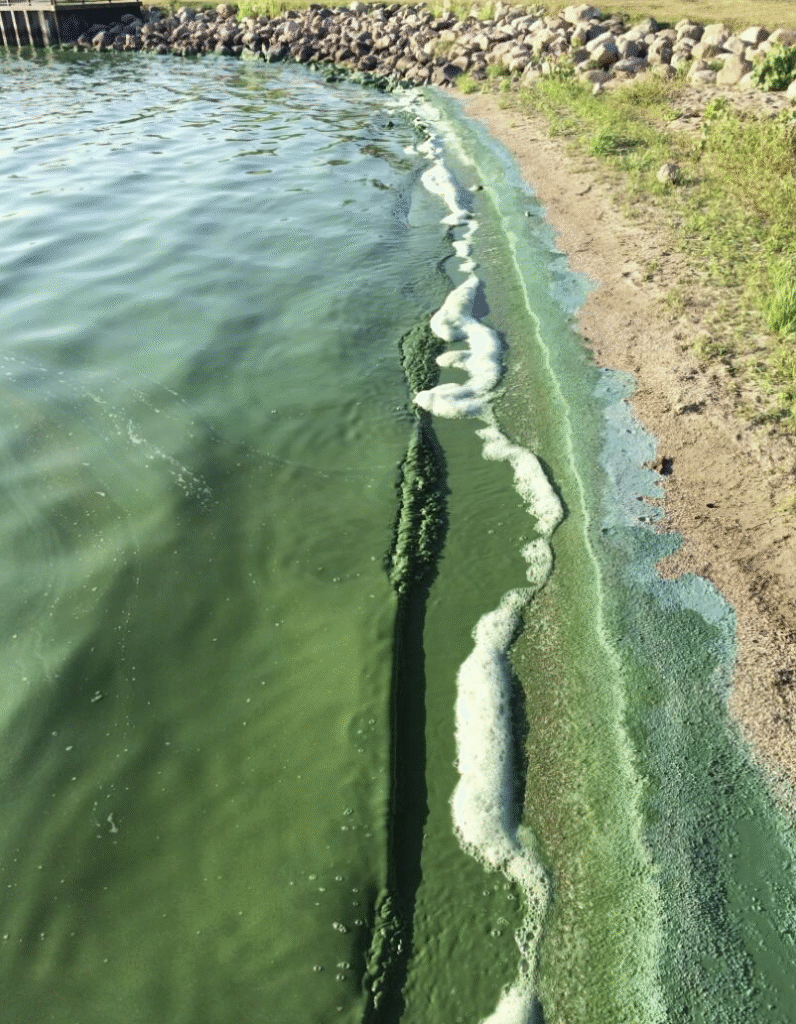
The concern comes with harmful cyanobacteria blooms, sometimes called blue-green algae. These blooms can produce toxins that make swimming unsafe for people and pets.
If a lake has experienced repeated harmful blooms, it’s worth understanding how often they occur and what management efforts are in place.
Healthy Wildlife Is a Great Sign
Nature usually gives us plenty of clues.
Healthy lakes often support:
Loons
Ospreys
Great blue herons
Ducks
Turtles
Bass
Trout
Panfish
Seeing wildlife doesn’t guarantee perfect water quality, but thriving ecosystems are usually encouraging.
Talk to Local Residents
No one knows a lake better than the people who live there year-round.
Ask questions like:
How has the lake changed?
Is swimming common?
How’s the fishing?
Does the lake get crowded?
Have there been water quality issues?
Most lakefront owners enjoy talking about their lake and can provide valuable insight that doesn’t appear in online listings.
Research the Lake Association
Strong lake associations often play a major role in maintaining healthy lakes.
Many organizations coordinate:
Water quality testing
Weed management
Invasive species prevention
Educational programs
Shoreline protection
Community clean-up efforts
An active association usually reflects owners who care deeply about protecting their investment.
Check for Invasive Species
Invasive aquatic plants can dramatically affect boating, swimming, and fishing.
Ask whether the lake has issues with species such as:
Eurasian watermilfoil
Hydrilla
Water chestnut
Many lakes successfully manage these plants, while others continue to struggle.
Knowing the management plan is just as important as knowing the problem exists.

Pay Attention to Water Levels
Some lakes experience significant seasonal drawdowns.
Lowering water levels may be necessary for dam maintenance, flood control, or weed management.
Before buying, understand:
How often drawdowns occur
How long they last
Whether docks remain usable
How they affect recreation
For some buyers, seasonal drawdowns are no big deal. For others, they may significantly impact enjoyment.
Look Beyond Today
Buying lakefront property is a long-term investment.
Consider whether the lake appears to be improving or declining.
Questions worth asking include:
Are water quality projects underway?
Are septic systems being upgraded?
Is shoreline development well managed?
Are residents actively protecting the lake?
Communities investing in their lakes often enjoy stronger property values over time.
Your Lakefront Specialist Can Help
This is one reason working with a true lakefront specialist matters.
An experienced lakefront REALTOR® often knows far more than simply what’s listed in the MLS. They can explain seasonal water conditions, recreational opportunities, local regulations, lake associations, historical trends, and the unique characteristics that make one lake very different from another.
That local knowledge can make all the difference between buying a beautiful house on the wrong lake and finding the perfect lakefront lifestyle for your family.
Final Thoughts
A healthy lake isn’t just about clean water. It’s about the overall experience you’ll enjoy every time you step outside.
Take the time to research, ask questions, visit more than once, and learn how the lake is managed. You’ll make a far more informed decision and greatly increase your chances of finding a property you’ll love for years to come.
After all, you’re not simply buying waterfront real estate. You’re investing in a lifestyle, and choosing the right lake is every bit as important as choosing the right home.
Posted by Scott Freerksen “The Lake Guy”