

Picture this: You walk through a lake house, step out onto the deck, and see a dock stretching into the water. You can already imagine your boat tied up for the weekend, the kids jumping in for a swim, and sunset dinners with your feet dangling over the edge.
For many buyers, that dock is the moment the property starts to feel like home. But before you make an offer, take a closer look. A dock can be one of the most valuable features of a lakefront property, and one of the easiest to make assumptions about.
Here are seven questions I encourage buyers to ask.
1. Is the dock actually included in the sale?
It may seem obvious. The dock is in the listing photos and sitting directly behind the house. Surely it comes with the property, right?
Ask anyway. Some docks are removable, and a seller may consider a seasonal dock personal property. A boat lift, swim raft, storage box, or dock furniture may be treated separately, too. If any of those items matter to you, have your agent identify them specifically in the offer and purchase agreement.
Also ask the seller what happens to the dock each winter. If a company removes and stores it, find out whether that service can continue after closing and what it costs. You want to know what will be waiting for you when boating season begins.
2. Who has the right to use it?
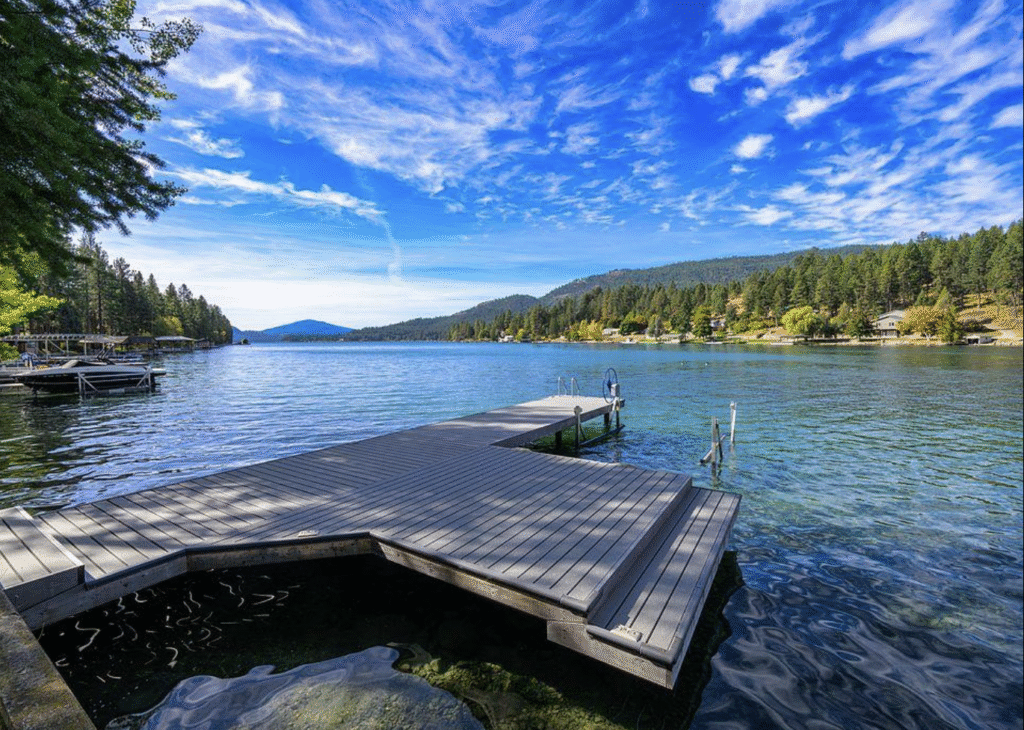
A dock behind a house does not always mean the homeowner has exclusive use of it. On some lakes, docks are shared by neighbors or managed by an association. A property might have an assigned slip at a community dock rather than its own private dock.
The difference matters if you plan to keep a boat there, invite guests over, or simply want a quiet place to sit. Ask whether anyone else has a right to use the dock or cross the property to reach it. Then review the deed, recorded easements, association documents, and any dock assignments with the professionals helping you buy.
The view from the deck tells you what you might enjoy. The documents help tell you what you are buying.
3. What approvals exist for the dock?
Dock rules vary by lake and location. Depending on the property and the type of dock, approvals may involve a municipality, conservation commission, state agency, lake association, or some combination of them.
Ask the seller for any permits, licenses, approved plans, or association approvals they have. Compare those documents with the dock that is there today. Has it been enlarged? Has a platform, lift, or second section been added?
A missing document does not automatically mean a dock must be removed. It does mean you should get an answer before closing, especially if keeping the dock is central to your decision.
4. Can you use it for your boat?
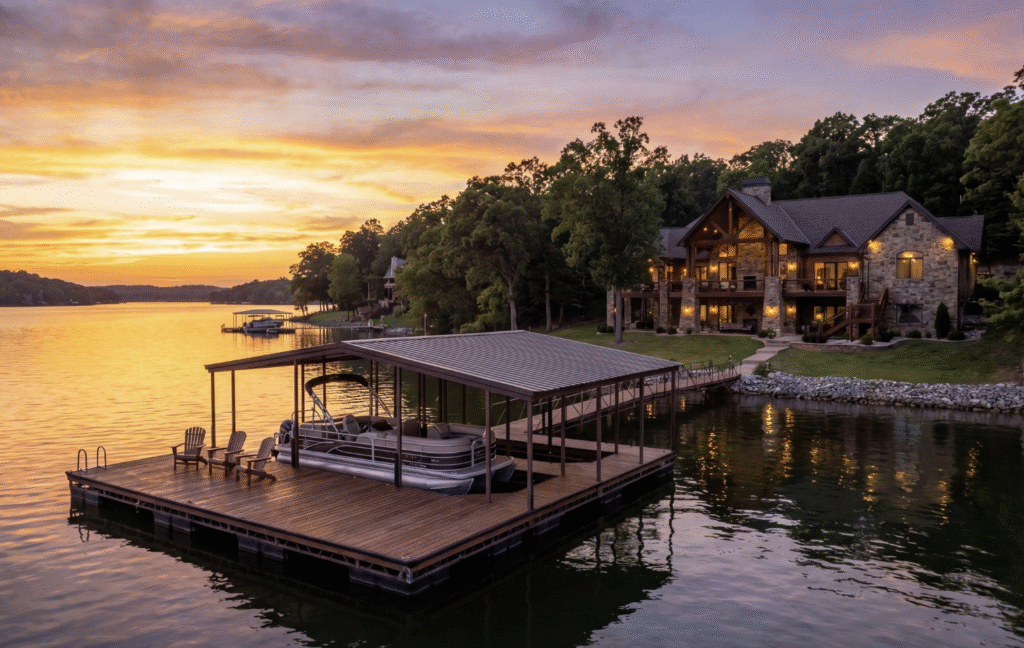
A dock can look ideal from shore and still be a poor match for your boat. Check the water depth at the dock, particularly during the part of the season when you expect to use it. Ask about seasonal water-level changes, weeds, rocks, and how easy it is to maneuver in and out.
Then look beyond the dock. Can you launch your boat nearby? Are there restrictions on motor size, boat type, speed, or hours of operation? If you are picturing waterskiing or taking out a personal watercraft, confirm that the lake allows it.
I have seen buyers focus so intently on finding a house with a dock that they forget to ask whether the lake supports the boating life they want. The two questions belong together.
5. What condition is the dock in?
A fresh coat of stain can make a dock look wonderful in photographs. During your visit, pay attention to what is underneath and around it. Look for soft or uneven boards, loose connections, movement in the supports, and signs that ice or changing water levels have caused damage.
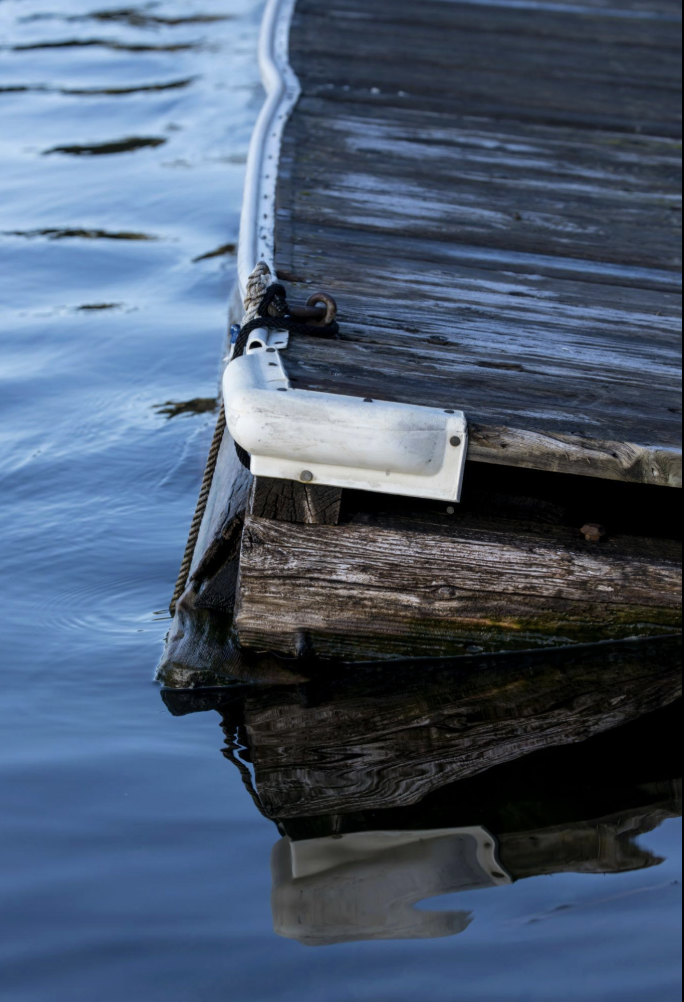
Ask when the dock was built, whether it has been repaired, and whether the seller has records or warranties. If a dock is important to the purchase, consider having a qualified dock contractor assess it. That is especially helpful when the structure is large, permanent, or equipped with electrical service.
Even a usable dock may need seasonal installation, removal, cleaning, or repairs. Those costs are easier to plan for when you know about them before you buy.
6. Can you change or replace it later?
Maybe the existing dock is small, but you are imagining room for a pontoon boat and a swimming platform. Or perhaps you would like to add a lift.
Do not assume that because a dock exists, you can build a bigger one in the same spot. Current rules may differ from those in place when the dock was first installed. A replacement may need new review, and an addition may face limits on its size, location, or design.
If a future upgrade is important to you, make a few calls during your due diligence period. Show the appropriate local or state office what is there now and describe what you hope to do. Get clear on which approvals would be needed before you make the upgrade part of your plans.
7. Does the shoreline work for the way you want to live?
A dock is only one piece of the lakefront experience. Stand at the water’s edge and picture an ordinary Saturday. Is the walk from the house comfortable? Will there be a safe place for children to swim? Is the bottom sandy, rocky, or weedy? Does afternoon sun reach the dock? How much boat traffic passes by?
This is where lakefront buying becomes personal. One buyer wants deep water for a boat. Another wants a gentle, shallow swimming area. A third would happily trade both for an open-water view and a peaceful place to launch a kayak.
The best dock is the one that fits how you will actually use the lake.
Bring the dock into the conversation early
If the dock helped you fall in love with the house, say so at the start. Your agent can help you ask for the right documents, confirm what is included, and make time to investigate the questions that matter to you.
For sellers, the same preparation works in your favor. Gather your dock records, explain how it is installed and maintained, and be clear about what will stay with the property. Buyers can picture themselves enjoying the lake much more easily when they have confident answers.
A beautiful dock might be the first thing you notice. Knowing how you can use it is what lets you start planning your first summer there.
Posted by Scott Freerksen “The Lake Guy”