
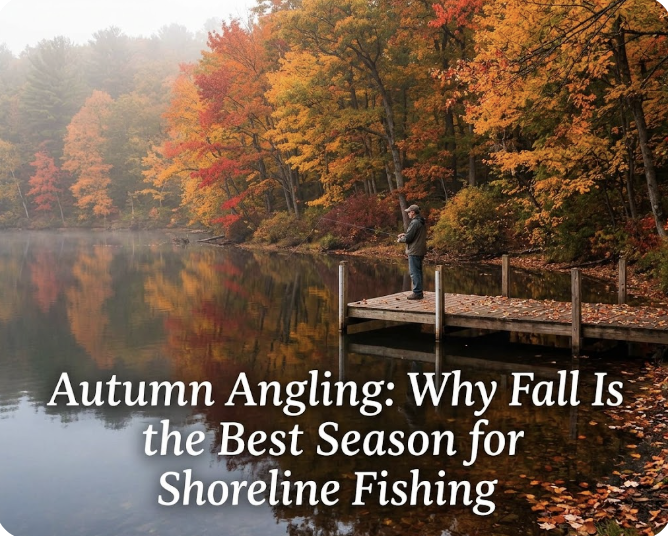
Ask a casual angler when they prefer to fish, and they will likely describe a warm, sunny mid-summer morning. Ask an experienced angler the same question, and they will almost always give you a different answer: autumn.
As temperatures cool, leaves turn brilliant shades of crimson and amber, and summer speedboats disappear from the water, lakes across the country undergo a massive ecological shift. For anglers who fish from banks, docks, piers, and shorelines, autumn presents the single most productive and peaceful window of the year.
Here is a deep dive into why fall is undisputed peak season for shoreline fishing, along with practical tips to turn cold-weather casts into memorable catches.
1. The Ecological Shift: Why Fish Head to the Shallows
Understanding fall fishing starts with understanding how game fish adapt to seasonal water changes. During the heat of mid-summer, shallow water near the shore becomes warm and oxygen-depleted. Large predatory species like largemouth bass, smallmouth bass, northern pike, and walleye retreat to deep drop-offs and cooler structure to conserve energy.
When autumn arrives, two major environmental changes draw fish back toward the bank:
Water Turnover and Cooling Temperatures
In early to mid-fall, surface waters cool down and mix with deeper layers—a process known as turnover. As overall water temperatures drop into the optimal feeding range for cool-water species, shallow shoreline zones become heavily oxygenated and comfortable again.
The Pre-Winter Feeding Frenzy
Unlike warm-blooded mammals that hibernate, fish are cold-blooded creatures whose metabolism slows dramatically when winter ice sets in. To survive months of near-freezing water, game fish must bulk up quickly. Autumn triggers an instinctive, aggressive feeding binge as fish actively hunt forage along the shoreline.
2. Unrivaled Access: Shoreline Structures Become Hotspots
One of the greatest advantages of fall fishing is that you don’t need an expensive bass boat or electronic depth finder to reach trophy fish. During autumn, key shoreline features become concentration points for baitfish—and the predators following them.
Docks and Swim Platforms
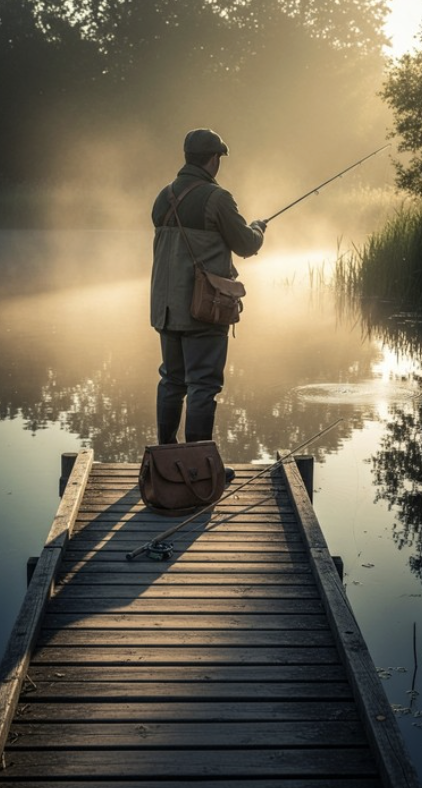
As lake traffic dies down, fish seek shelter around permanent dock pilings, floating docks, and boat lifts. These structures absorb heat from autumn sunlight during the day, creating micro-zones of slightly warmer water that attract baitfish.
Weed Lines and Fallen Leaves
While thick summer weed beds begin to die off in late fall, healthy green patches of remaining vegetation still produce vital oxygen and offer prime ambush cover. Casting along outer weed edges, rocky points, and timber-lined banks can yield rapid strikes.
Inflows and Stream Mouths
Autumn rains increase flow from feeder streams and runoff points into the lake. These inflows wash terrestrial insects, nutrients, and oxygen into the main body of water, making stream mouths premier casting targets from the bank.
3. Shoreline Solitude: No Boats, No Noise, Just Water
Beyond the biology of fish behavior, the human element makes fall shoreline fishing extraordinary.
During June, July, and August, shoreline anglers must contend with heavy recreational boat traffic, jet skis creating wakes along the banks, and busy swimming docks. Fish grow wary and spooked from constant noise and propeller vibration.
Come September and October:
- Pleasure boats are winterized and stored.
- Water surface disturbance plummets to near zero.
- Recreational dock traffic disappears.
This reduction in pressure makes fish significantly less cautious. You can walk along miles of quiet shoreline or spend hours on a private dock with nothing breaking the silence except the splash of your lure and the rustle of dry leaves.
4. Tactics and Lures for Autumn Shoreline Success
Fishing from the bank in autumn requires slightly different techniques than summer casting. Because fish are actively hunting moving prey, fast-moving and reaction-style lures tend to shine.
Match the Size of Autumn Baitfish
By fall, young-of-the-year baitfish (like shad, minnows, and bluegill hatchlings) have grown significantly compared to spring. Match your lure size to the prevalent bait in your lake:
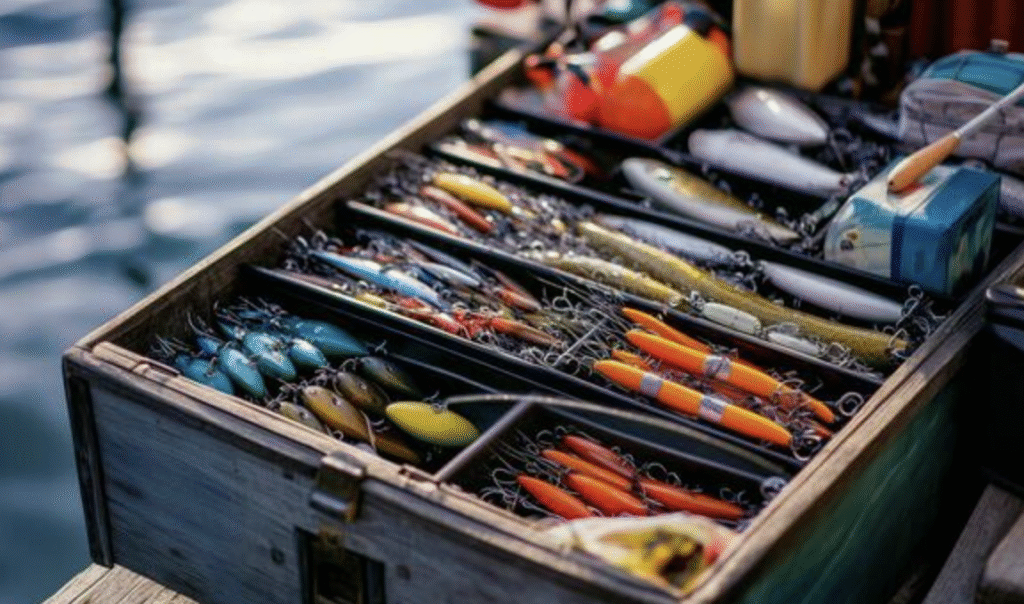
- Lipless Crankbaits & Squarebills: Excellent for covering large shoreline areas quickly and deflecting off dock pilings or rocks.
- White or Chartreuse Spinnerbaits: Ideal for windy days along weed lines, mimicking fleeing baitfish.
- Paddletail Swimbaits on Jig Heads: A versatile option that can be retrieved slowly along the bottom near bank drop-offs.
- Live Bait under a Float: For panfish or walleye, a simple nightcrawler or live minnow suspended near dock edges remains unmatched.
Best Time of Day to Cast
Unlike summer, when early dawn and late dusk are mandatory, autumn fishing often peaks during mid-day to late afternoon. As the afternoon sun warms shallow shoreline mud flats and rocks, fish move up into the shallows to feed during the warmest hours of the day.
5. Fall Shoreline Angling Safety & Gear Basics
Crisp autumn air feels invigorating, but cold water requires extra preparation when fishing near the bank:
- Layer Up: Wear moisture-wicking base layers, fleece mid-layers, and a windproof outer jacket to handle temperature shifts between morning and afternoon.
- Footwear Matters: Shoreline rocks and wet dock wooden planks become slick with fallen leaves and frost. Wear waterproof boots with non-slip rubber soles.
- Keep Hand Warmers Ready: Cold fingers make tying knots and unhooking fish difficult. Keep disposable or rechargeable hand warmers in your jacket pockets.
Tight Lines and Autumn Times
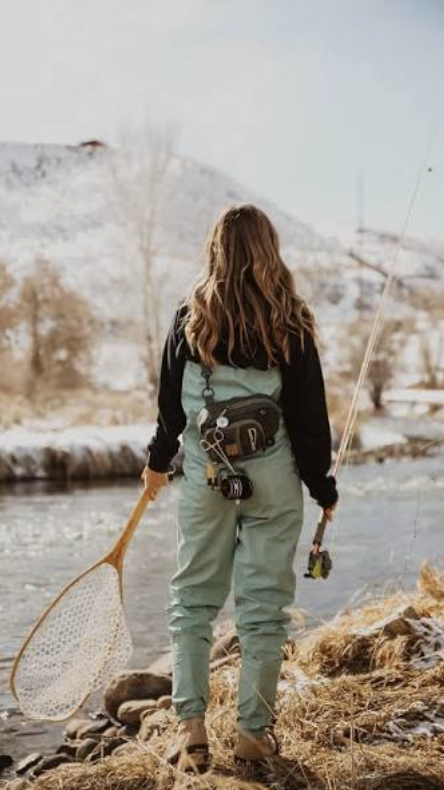
Fall shoreline fishing on the lake combines everything that makes angling rewarding: aggressive fish, peaceful waters, stunning scenery, and accessible fishing without needing a boat. The next time the crisp autumn air sets in and leaves begin to carpet the ground, grab your tackle box, head down to the shoreline or dock, and experience the best fishing season of the year.
Posted by Scott Freerksen “The Lake Guy”