
There is always a little resistance to closing up the lake house for winter. The boat rides are getting shorter, the evenings are cooler, and the shoreline is beginning to fill with fallen leaves. Part of you wants to squeeze in one more perfect weekend before admitting that another lake season is coming to an end.
But properly winterizing your lake house is one of the best things you can do to protect your property and make next spring’s return much easier.
“An hour spent preventing a winter problem can save days of repairs in the spring,” says Scott Freerksen, The Lake Guy. “Lake homes have a few additional areas to protect, particularly when they are seasonal, exposed to strong winds, or left vacant for long periods.”
Every property is different, but this lake house winterization checklist will help you cover the most important areas before the first hard freeze.
1. Decide Whether to Shut Down or Keep the Heat On
Your winterization plan starts with one important question: Will the house remain heated, or will it be completely shut down?
If you plan to visit throughout the winter, you will probably keep the heat running at a safe minimum temperature. Many owners maintain a temperature of at least 55 degrees, but the right setting depends on the home, insulation, plumbing locations, and local climate.
A seasonal property that will remain vacant may require a more complete shutdown, including draining the plumbing system and adding nontoxic RV or marine antifreeze to appropriate drains and fixtures.
Do not simply turn off the heat and leave. Pipes inside walls, crawlspaces, basements, and cabinets can freeze surprisingly quickly. When in doubt, have a licensed plumber winterize the system.
2. Shut Off and Protect the Water System
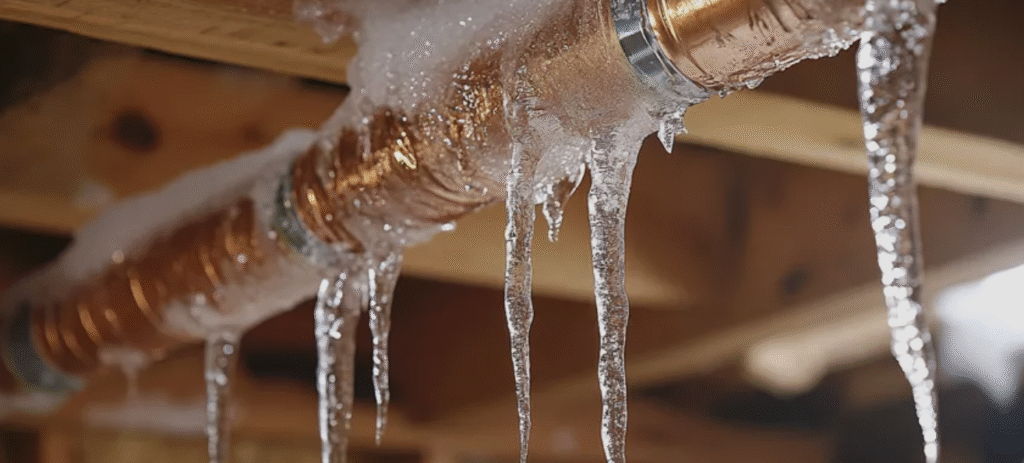
Frozen pipes are among the most expensive and disruptive winter problems a lake homeowner can face.
If the house will be fully winterized, shut off the main water supply, open the faucets, and drain the plumbing system. Remember to address exterior faucets, shower lines, washing machines, dishwashers, ice makers, water filters, and other water-connected appliances.
If you have a well, consult a professional about properly shutting down or protecting the pump, pressure tank, and exposed water lines.
Homes that remain heated can still experience frozen pipes, especially in exterior walls or unheated areas. Open the doors beneath sinks to allow warm air to circulate, and insulate any vulnerable plumbing.
3. Service the Heating System
Schedule your heating system inspection before cold weather arrives. A technician can clean the equipment, replace filters, check fuel connections, and identify potential problems before the system is working its hardest.
If the property uses oil or propane, confirm that the tank has enough fuel and that automatic delivery is arranged. Do not assume a tank that looks adequate in October will last through the winter.
If you use a fireplace or wood stove, have the chimney inspected and cleaned. Check that the damper works properly and that smoke and carbon monoxide detectors are functioning.
“The goal is not simply to leave the heat on,” Scott explains. “The goal is to know that the entire heating system is prepared to operate safely and reliably when nobody is there.”
4. Inspect the Roof, Gutters, and Drainage
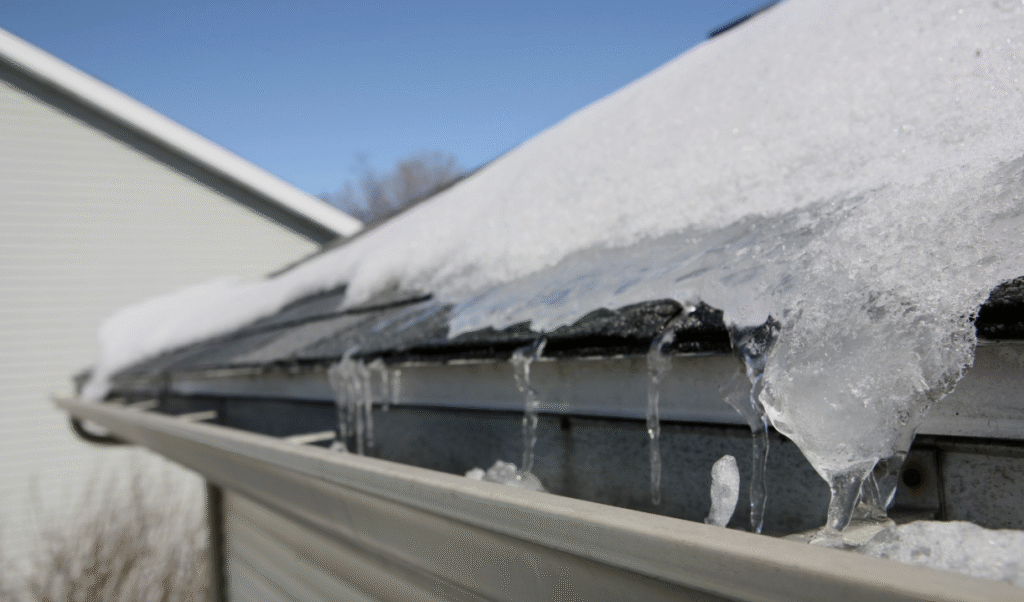
Fall leaves can quickly block gutters and downspouts. When melting snow and ice cannot drain properly, water may back up beneath roofing materials or freeze around the foundation.
Clean the gutters after most of the leaves have fallen. Confirm that downspouts direct water away from the house and that grading does not send runoff toward the basement, crawlspace, or septic area.
Look for damaged shingles, loose flashing, leaning gutters, and tree branches hanging over the roof. A small repair completed in the fall may prevent a much larger problem during a winter storm.
5. Remove or Secure the Dock
Whether a dock must be removed depends on its construction, the lake, water-level changes, ice movement, and local regulations.
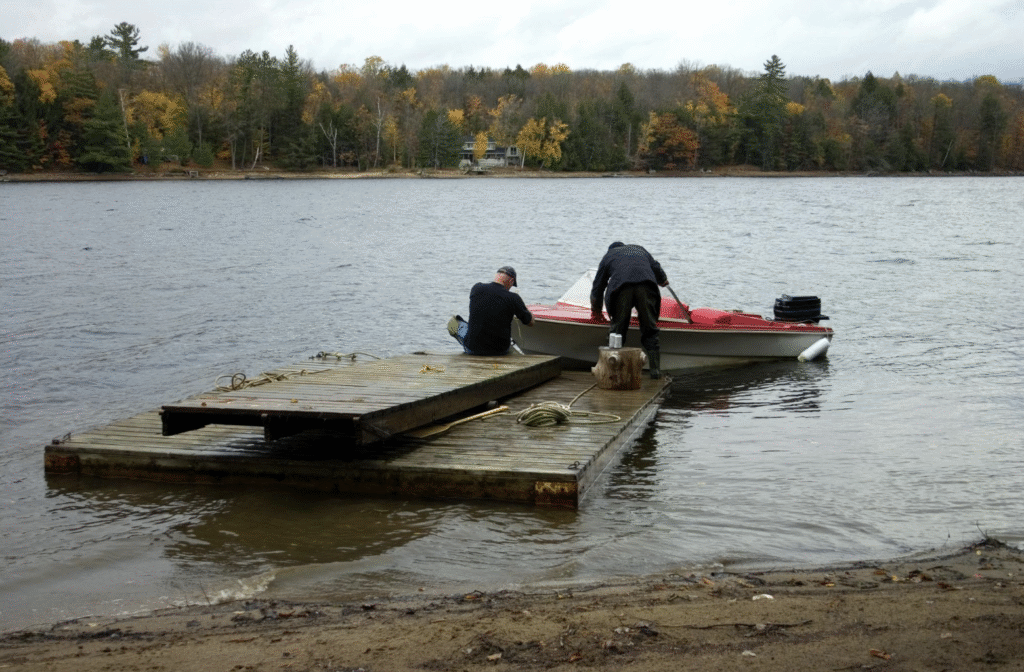
Floating docks are often removed because shifting ice can damage them or pull anchors loose. Some permanent docks are designed to remain in place, while others have removable sections that should be stored on shore.
Inspect the dock for loose boards, damaged hardware, worn cables, and unstable supports. Store ladders, bumpers, lines, and accessories in a dry location.
Ask neighboring owners what is customary on the lake, but also follow the dock manufacturer’s recommendations. Conditions can vary significantly from one body of water to another.
6. Winterize the Boat and Other Watercraft
A proper boat winterization involves more than pulling the boat onto a trailer.
Depending on the watercraft, you may need to stabilize the fuel, change the oil, flush the engine, protect the cooling system, inspect the battery, and cover the boat properly. Personal watercraft, paddleboards, kayaks, canoes, and boating equipment should also be cleaned, dried, and securely stored.
Life jackets must be completely dry before storage to prevent mildew. Remove electronics, fishing equipment, food, and anything else that could attract pests.
Follow the manufacturer’s instructions or have a qualified marine technician complete the work.
7. Protect Outdoor Plumbing and Irrigation
Disconnect all garden hoses and drain exterior faucets. Even frost-free faucets can be damaged if a hose remains connected and traps water inside the line.
Drain irrigation systems, outdoor showers, fish-cleaning stations, and water lines serving seasonal kitchens or bars. If your property has a pump that draws water from the lake, make sure the pump and supply lines are properly drained and protected.
These outdoor systems are easy to overlook because they may be located far from the home’s main plumbing.
8. Prepare the Septic System
Many lake homes rely on private septic systems. Avoid driving or parking heavy equipment over the septic tank or leaching area, especially when the ground is wet or frozen.
If the tank is due to be pumped, schedule service before winter makes access more difficult. Repair leaking faucets and running toilets, which can continuously send water into the system.
A properly functioning septic system should not require unusual winter treatment, but seasonal properties may have specific needs. Consult a local septic professional if the house will be vacant or its plumbing will be completely drained.

9. Seal the House Against Pests
Mice need only a very small opening to enter a house. Inspect the foundation, utility penetrations, vents, doors, windows, garage, and crawlspace for gaps.
Seal appropriate openings with pest-resistant materials, install door sweeps, and make sure screens and vent covers are secure. Do not block openings that are required for ventilation or combustion equipment.
Remove food from cabinets, clean crumbs from drawers, empty trash containers, and store linens where pests cannot reach them. Never leave birdseed, grass seed, pet food, or similar products inside an attached garage.
10. Bring Outdoor Items Inside
Store patio furniture, umbrellas, cushions, grills, decorations, and lightweight equipment. Strong lake winds can move items that seem heavy enough to remain outdoors.
Clean the grill and disconnect or safely store propane tanks according to local fire regulations. Secure anything that cannot be brought inside.
This is also a good time to inspect decks, stairs, railings, and walkways. Repair anything that could become dangerous when covered by snow or ice.
11. Clean and Secure the Interior
Remove perishable food, empty the refrigerator, and clean all appliances. If the refrigerator will be unplugged, leave its doors slightly open to prevent mildew and odors.
Wash bedding, remove wet towels, clean the fireplace, and take out every bag of trash. Close the flue when the fireplace is not in use, provided it is safe to do so.
Unplug unnecessary electronics and small appliances. Surge protection is helpful, but unplugging unused items also reduces the risk of damage during an outage or electrical surge.
12. Test Every Safety Device
Replace batteries in smoke detectors, carbon monoxide detectors, security devices, and smart-home sensors. Check fire extinguishers and make sure emergency exits remain accessible.
Consider installing low-temperature sensors, water-leak detectors, and cameras that can send alerts to your phone. These devices cannot prevent every problem, but they can notify you before a minor issue becomes a major loss.

13. Prepare for Power Outages
Lake communities can experience outages caused by wind, snow, ice, and fallen trees. If the home has a generator, have it serviced and tested before winter.
Confirm that someone knows how to safely operate it. Permanently installed generators should be inspected according to the manufacturer’s schedule.
Battery backups can help keep internet equipment, alarms, and monitoring devices working during short outages. Longer outages may require someone to inspect the property in person.
14. Arrange Regular Property Checks
Technology is useful, but it is not a complete substitute for having someone visit the house.
Ask a trusted neighbor, caretaker, property manager, or family member to inspect the home periodically. They should look for signs of water, storm damage, power loss, fallen trees, heating problems, or unauthorized entry.
You should also confirm whether your insurance policy requires inspections when a property is vacant for an extended period. Some policies have specific provisions for seasonal or unoccupied homes.
15. Document the Property Before Leaving
Walk through the house and take current photographs or video of every room, the mechanical systems, shoreline, dock area, and exterior.
Record important settings, shutoff locations, service dates, and contact information for local contractors. Keep this information somewhere you can access remotely.
Create a written checklist for your specific property and update it each year. That way, winterization becomes a dependable routine rather than a rushed collection of last-minute tasks.
A Little Preparation Protects the Lake Lifestyle
Winterizing a lake house may feel like the official end of the season, but it is really the first step toward an easier spring opening.
A well-prepared home is less likely to suffer frozen pipes, water damage, pest problems, storm damage, or equipment failure. It also gives you peace of mind during the months when you cannot be there.
“Lake ownership should be about making memories, not discovering expensive surprises,” Scott says. “A good fall checklist protects the property today and helps make sure it is ready for another great season tomorrow.”
Before you lock the door for the final time, walk through the property slowly and resist the temptation to rush. The lake will be waiting when spring returns, and your home should be ready to welcome you back.
Posted by Scott Freerksen “The Lake Guy”