

You’ve found a lake house with a dock big enough for the whole family and a kitchen window that looks straight out over the water. Then you see two words on the listing sheet: private well. Before you picture filling the coffee pot on your first morning there, ask for a recent lab report.
Some wells near lakes provide good drinking water. Others need repairs, treatment, or both. Clear water can contain contaminants you can’t see, taste, or smell. If you’re buying a lake house, a test from a certified lab can tell you what was in the sample, and a little homework can tell you whether the lab looked for the right things. CDC well water testing guidelines
Where does well water near a lake come from?
Start by finding out what actually supplies the kitchen tap. A conventional private well draws groundwater from beneath the property. Some homes may have a different setup, such as a pipe that draws directly from the lake. Ask the owner to show you the source and any treatment equipment. If the house uses a lake intake, ask the local health department what testing and treatment are appropriate for that system.
Groundwater and lake water can interact, and the direction of that flow depends on local conditions. A clear lake, a popular swimming beach, and a neighbor’s clean well report tell you little about the water coming out of your own tap. Well construction, local geology, and how runoff moves across the lot are all worth investigating.USGS on groundwater and surface water
What can get into a lakefront well?
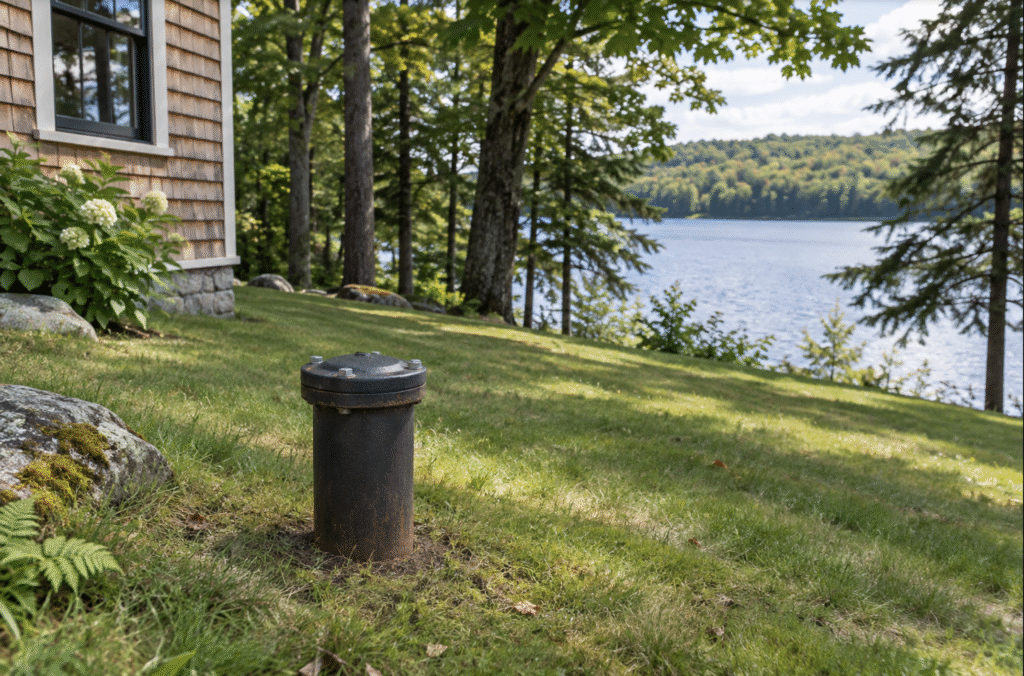
Walk the property and ask someone to point out the wellhead and septic system. Imagine where the water would go after several inches of rain. Is the wellhead in a low spot where water collects? Has the area flooded before? A damaged cap or casing can give surface water a way in. Septic systems, fertilizers, and animal waste are possible sources of contamination. A well contractor can assess the condition of the well and help identify concerns specific to the lot.MassDEP private well FAQs
Some concerns come from underground.
Arsenic, uranium, and radon can occur naturally in groundwater in parts of New England. Local land use can introduce other concerns. Before ordering a package, ask the health department what it recommends for that address. Massachusetts, for example, recommends PFAS testing for private drinking water wells. MassDEP private well resources · MassDEP PFAS guidance
What should you test for before buying?
Start with a state-certified drinking water lab. The CDC recommends testing private wells at least annually for total coliform bacteria, nitrates, total dissolved solids, and pH. For a purchase, ask the lab and local health department what they recommend beyond that baseline. Ask whether the bacteria panel reports E. coli separately and whether you should add tests based on the local geology, plumbing, or nearby land uses.
CDC well water testing guidelines
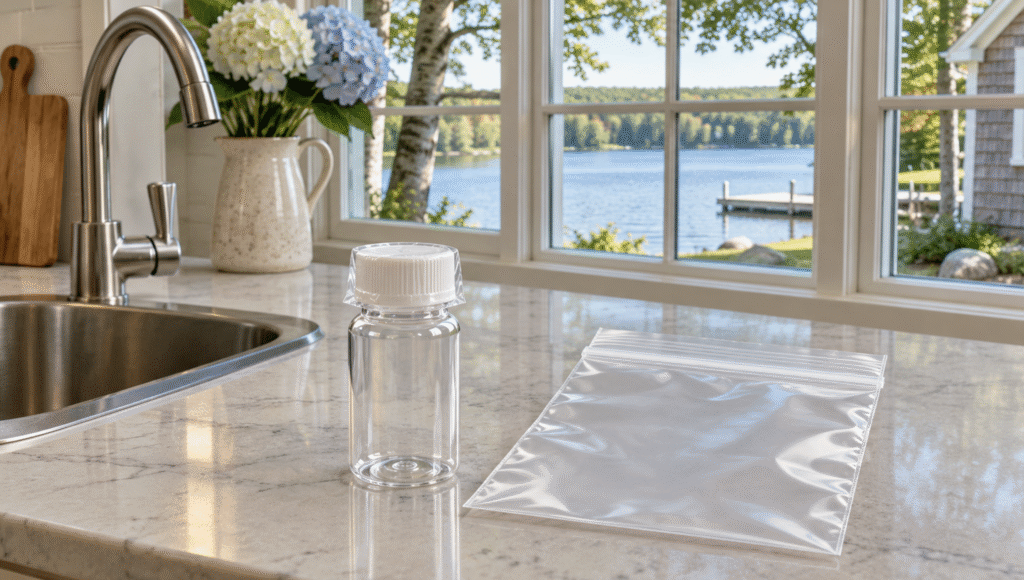
Ask the lab where to sample, especially if the house already has treatment equipment. A raw-water sample can show what the equipment has to handle. A sample from the kitchen tap can show what you’ll actually drink. The lab can tell you whether both samples make sense and provide the bottles, collection instructions, and deadlines for returning them.Guide to private well testing
What does a positive total coliform result mean?
Total coliform bacteria are an indicator. A positive result suggests there may be a way for contamination to enter the water system. A positive E. coli result points to fecal contamination and calls for prompt action. If the report flags either result, contact the local health department for guidance on safe water use, follow-up sampling, and whether the well should be inspected. Use bottled water for drinking and food preparation if contamination is suspected while you get advice. A report that only tested for bacteria leaves questions about nitrate, arsenic, PFAS, and other chemicals unanswered. CDC well water testing guidelines · CDC well water treatment guidelines
Put the well on your lake house inspection list
- 1. Ask for records early. Request the well log if available, past lab reports, and service records for the well, pump, and any treatment equipment. Check the sample date, what was tested, and where the sample was collected.
2. Allow time for the lab. Ask about turnaround times before agreeing to an inspection deadline. Leave room to review the report, ask questions, and retest if needed.
3. Check water quality and supply. The lab tells you what’s in the water. Ask a well contractor about the condition of the equipment and whether the well can keep up when you have a houseful of summer guests.
4. Get any proposed fix in writing. Ask what the repair or treatment addresses, what it costs to maintain, and how follow-up testing will confirm it works. If equipment is already installed, find out when it was last serviced.
Once you own the house, put the annual test on your calendar. Test sooner after a well repair, flooding, or a change in the water’s taste, color, or smell. If floodwater reaches the well or you suspect contamination after a flood, use bottled water and contact your health department before resuming normal use. Boiling can kill germs, but it won’t make water contaminated with fuel or toxic chemicals safe.

The dock and the view might be what draw you to the property. Knowing what comes out of the kitchen tap helps you enjoy the house from that first pot of coffee. If you’re looking for a place on the water, explore LakefrontLiving.com and connect with a lakefront specialist who can help you ask the right questions before closing.
Posted by Scott Freerksen “The Lake Guy”