

The Real Costs Every Lakefront Buyer Should Know Before Purchasing Their Dream Property.
Owning a lake house is about so much more than owning another piece of real estate. It’s about waking up to the sound of loons instead of traffic, watching the sunrise from your dock with a cup of coffee, and ending the day with family gathered around a lakeside fire. It’s a lifestyle that millions of people dream about, and once they experience it, very few ever want to leave.
One question I hear all the time from buyers is, “What does it really cost to own a lake house?”
It’s a great question, and one that deserves an honest answer.
Most buyers naturally focus on the mortgage payment, but that’s only part of the financial picture. Lakefront homes have a few unique expenses that traditional homes may not. The good news is that none of these costs should discourage you. They simply help you prepare for ownership so there are no unpleasant surprises after closing.
After helping buyers purchase lakefront homes for more than two decades, I’ve found that the happiest owners are the ones who understand exactly what they’re getting into before they buy.
Let’s take a look at the real costs of owning a lake house.
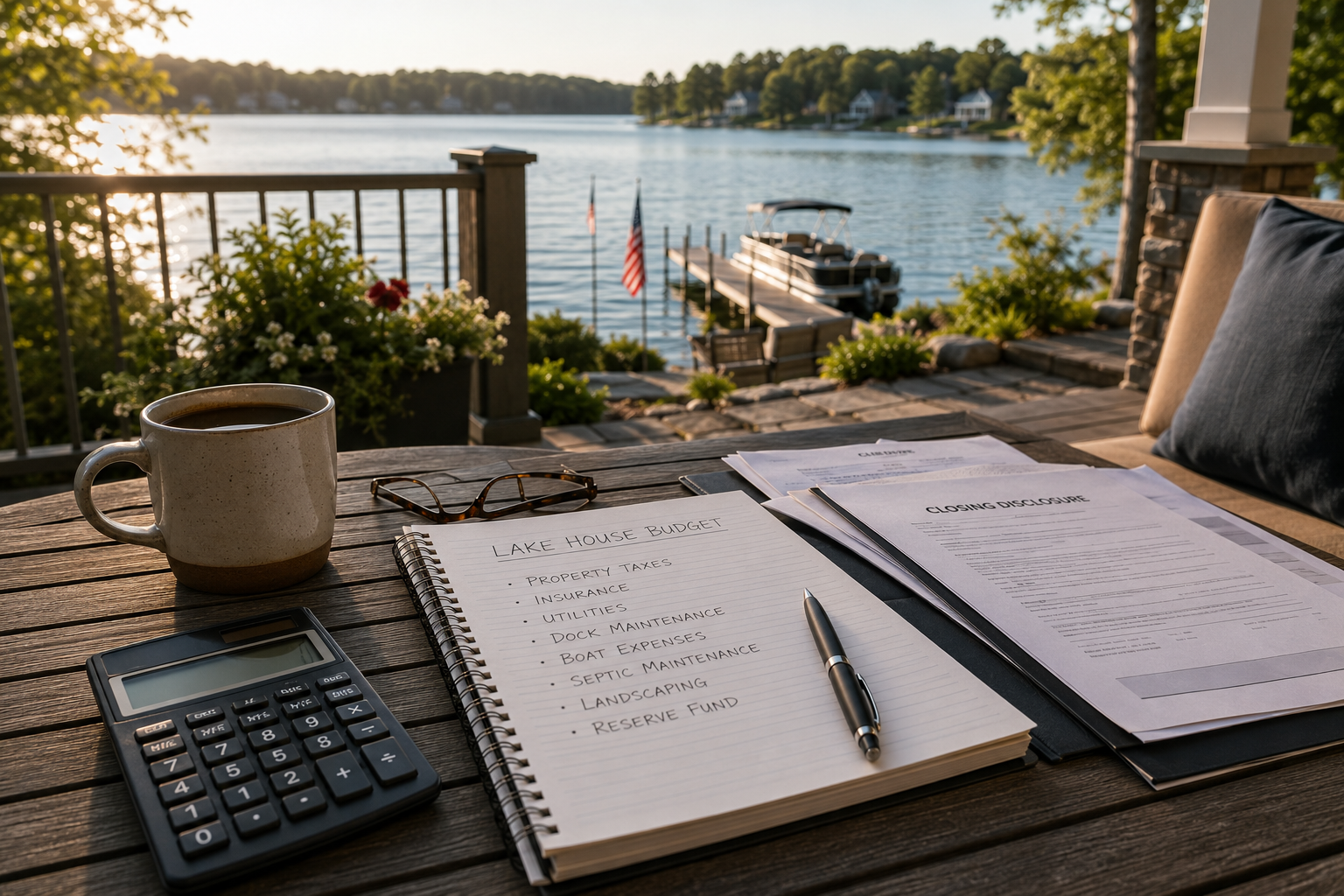
Property Taxes
One of the first ongoing expenses you’ll encounter is property taxes. Because lakefront homes are in high demand and waterfront property is limited, they’re often assessed at higher values than similar homes located a few streets away.
Taxes vary dramatically from one town to another, even if the lakes are only a few miles apart. Before making an offer, ask your real estate agent about the current tax bill, whether the property has been recently reassessed, and whether the sale could trigger a new assessment.
Knowing these numbers in advance makes budgeting much easier.
Homeowners Insurance
Insurance is another area where lakefront properties can differ from traditional homes.
The cost depends on many factors, including the age of the home, its construction, the distance to the nearest fire department, and the overall replacement value of the property. A newer lake home with updated systems may be surprisingly affordable to insure, while an older seasonal cottage could require a little more coverage.
The best advice is to get an insurance quote before your inspection period ends. It’s a simple step that gives you a much clearer picture of your monthly costs.
What About Flood Insurance?
Many buyers automatically assume every lakefront property requires flood insurance. Fortunately, that simply isn’t true.
In fact, many lake homes sit well outside FEMA flood zones and never require flood insurance. Others, particularly those located along rivers, reservoirs, or lower elevations, may require additional coverage if you’re financing the purchase.
Rather than guessing, ask for a current flood determination during the buying process. It could save you thousands of dollars over the life of your ownership.
Your Dock Needs a Little Love
For most lake homeowners, the dock quickly becomes the favorite “room” of the house. It’s where kids jump into the water, friends tie up their boats, and everyone gathers to watch the sunset.
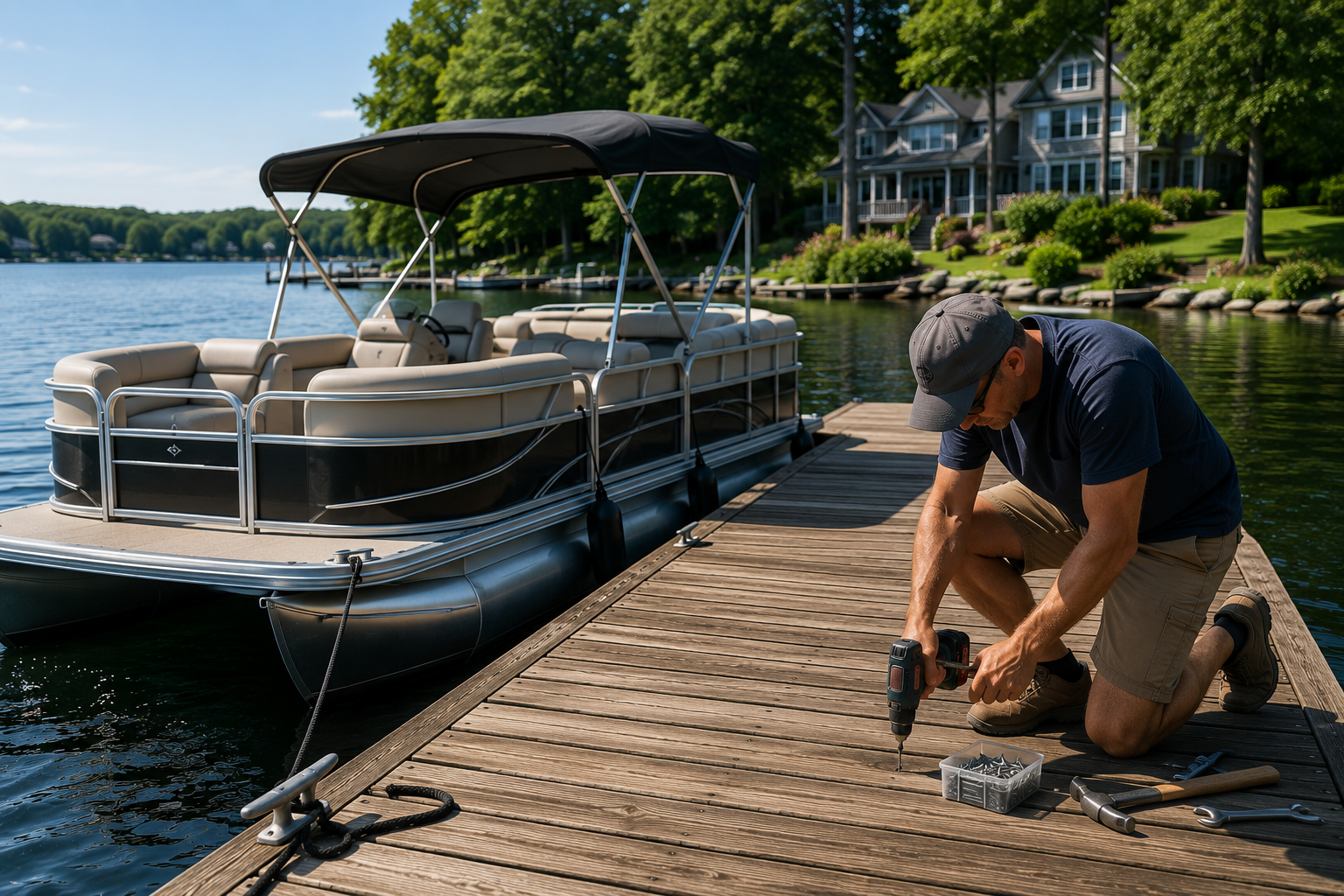
Like anything that’s exposed to weather year-round, docks require occasional maintenance. You may need to replace a few deck boards over the years, tighten hardware, pressure wash the surface, or repair damage after a rough winter. If you own a seasonal dock, you’ll also want to budget for installation and removal each year if you don’t handle it yourself.
Fortunately, a quality dock that’s properly maintained can provide decades of enjoyment.
Don’t Forget the Boat
Many buyers purchase a lake house first and a boat shortly afterward. It’s almost inevitable.
While buying the boat is the exciting part, it’s important to remember the ongoing costs that come with it. Fuel, insurance, maintenance, winterization, registration, storage, and the occasional repair all become part of your annual budget.
The good news is that every time you pull away from the dock on a beautiful summer afternoon, those expenses tend to feel like money well spent.
Septic Systems Are Easier Than Most People Think
Because many lakefront homes aren’t connected to municipal sewer systems, they rely on private septic systems.
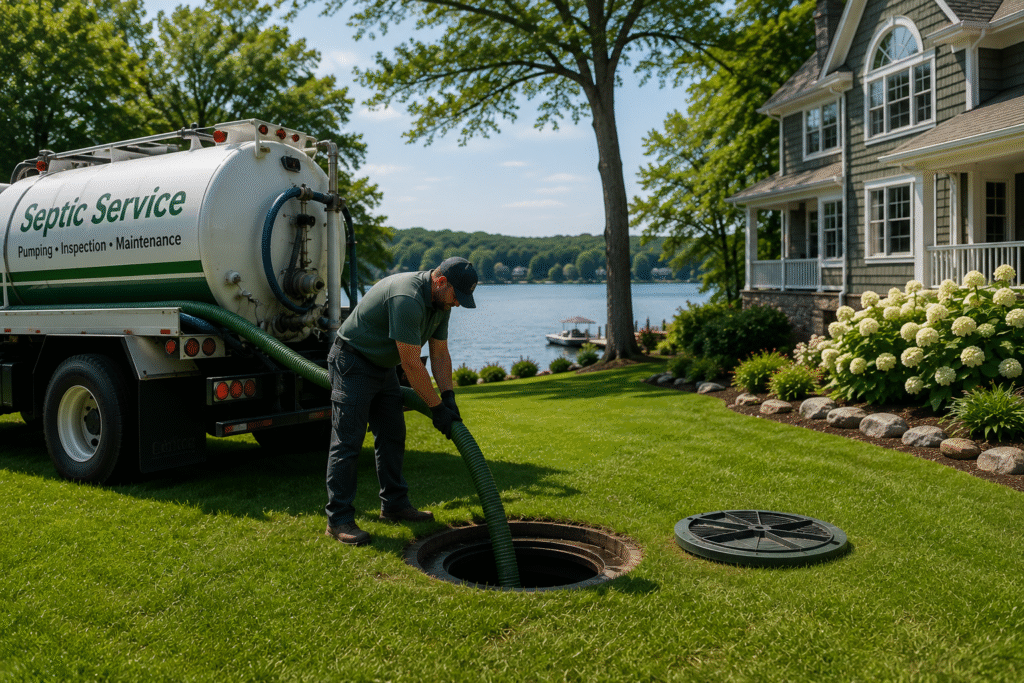
For first-time buyers, that sometimes sounds intimidating. In reality, septic systems are remarkably dependable when they’re properly maintained. Regular pumping every few years, along with occasional inspections, is usually all that’s required.
Ignoring maintenance can become expensive, but routine care is relatively inexpensive and helps extend the life of the entire system.
Wells and Water Systems
If your lake home has a private well, you’ll also want to budget for occasional maintenance.
Most well systems provide years of trouble-free service, but every homeowner should plan for periodic water testing, replacing a pressure tank when necessary, or servicing the well pump someday. Some owners also install filtration or water softening systems depending on local water conditions.
These aren’t annual expenses, but they’re worth planning for over the long term.
Protecting Your Shoreline
One of the most valuable parts of your property isn’t the house at all. It’s the shoreline.
Whether your property has a sandy beach, natural shoreline, retaining wall, or stone riprap, keeping it in good condition protects both your investment and the lake itself. Occasionally you may need erosion control work, tree maintenance, vegetation management, or repairs after severe storms.
Healthy shorelines not only look beautiful, they also help preserve water quality and protect property values for years to come.
Utility Costs
Utilities at a lake house can be slightly different than what you’re used to.
Larger windows that showcase the view, electric boat lifts, outdoor lighting, hot tubs, irrigation systems, and seasonal occupancy patterns can all affect your monthly bills. Fortunately, many owners reduce these costs with energy-efficient appliances, smart thermostats, and upgraded insulation.
Like any home, efficiency improvements often pay for themselves over time.
Seasonal Maintenance Is Part of Lake Life
Every season brings a few new responsibilities, but that’s part of what makes lake living unique.
Spring is all about getting everything ready for another summer on the water. Docks go back in, boats get serviced, decks are cleaned, and landscaping comes back to life.
Summer is when you’ll spend the least amount of time thinking about maintenance because you’ll be busy enjoying the lake.
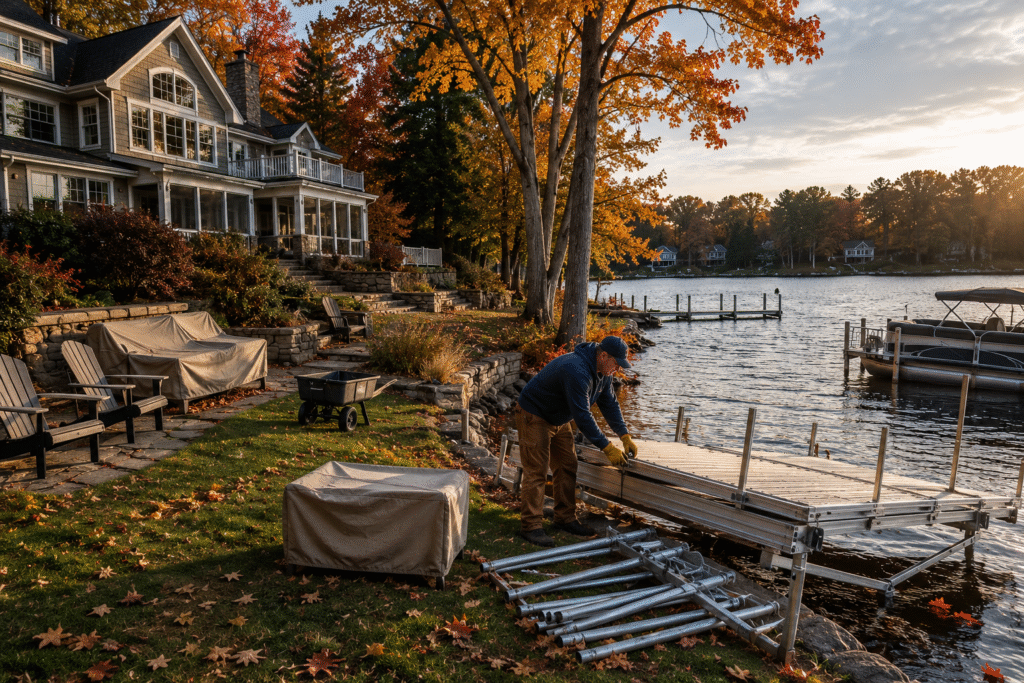
Fall brings winter preparation. Outdoor furniture gets stored, irrigation systems are winterized, and many homeowners remove their docks before the ice arrives.
Winter is usually the quiet season, with occasional snow removal, heating system checks, and making sure everything is protected from freezing temperatures.
None of these jobs are particularly difficult, but planning ahead keeps everything running smoothly.
Lake Association Fees
Some lakes have homeowners associations or lake associations that collect annual dues.
While some buyers initially hesitate when they hear about association fees, these organizations often provide tremendous value. They may help fund water quality programs, invasive weed management, community beaches, boat launches, road maintenance, and neighborhood events.
More importantly, many associations play a major role in protecting the health of the lake, which ultimately helps preserve everyone’s property values.
Plan for the Unexpected
No matter where you own a home, unexpected repairs are part of homeownership.
A furnace eventually wears out. Roofs need replacing. Appliances break. Storms occasionally damage docks or knock down trees.
Setting aside a home maintenance reserve each year gives you peace of mind and prevents small issues from becoming financial headaches.
Is It Worth It?
If you ask ten lakefront homeowners whether they’d buy their lake house again, chances are all ten would answer with an enthusiastic “Yes.”
The reason is simple.
A lake house isn’t just another expense on your monthly budget. It’s where birthdays are celebrated, grandkids learn to fish, friends gather on holiday weekends, and sunsets become part of your daily routine.
It’s where memories are made.
Yes, there are additional costs that come with waterfront ownership, but they’re far outweighed by the experiences that come with living on the water.
At Lakefront Living Realty, we’ve spent more than 20 years helping buyers understand not only the homes they’re purchasing, but also the lakes they’re investing in. Every lake is different, every property is unique, and understanding the true cost of ownership is one of the smartest steps you can take before buying.
If you’re thinking about making the move to the lake, we’d love to help you find the perfect property and the perfect lifestyle to match.
Posted by Scott Freerksen “The Lake Guy”