
You finally find it.
The lake is perfect. The view is exactly what you pictured. The house has the dock, the deck and enough room for everyone to spend summer weekends together.
You make an offer, it gets accepted, and then something unexpected happens.
The financing hits a snag.
After more than 20 years specializing in lakefront real estate, I can tell you that financing a lake house isn’t always exactly the same as financing the house down the street. Lakefront properties can have unique characteristics that buyers, lenders and even appraisers need to understand.
And when the right lake house comes along, the last thing you want is a financing problem standing between you and the water.
Here are seven mistakes I’ve seen buyers make, and how you can avoid them.
1. Waiting Until You Find the House to Talk to a Lender
This is probably the easiest mistake to avoid.
Some buyers want to browse lake homes first and worry about financing once they find something they love. The problem is that desirable lakefront homes can move quickly, especially when they’re on a sought-after lake or have great frontage.
By the time you find the property, you may be competing with buyers who already have their financing lined up.
“Getting preapproved early isn’t just about knowing what you can borrow. It gives us time to look at the entire financial picture and identify potential issues before the buyer is under the pressure of a closing deadline. It’s also a great opportunity to get familiar with payments at different price points, closing costs, escrow and Cash to Close.” Matt Scott, MBA Mortgage
A good pre-approval also gives you a realistic price range. That lets us focus on lakes and properties that actually fit your budget rather than falling in love with something that doesn’t.

2. Assuming Every Lake House Qualifies for the Same Financing
Here’s where lakefront gets interesting.
The house may look perfectly normal when you’re standing in the kitchen looking out at the water. But from a lending perspective, there can be other questions.
Is it considered a year-round residence? Is the road privately maintained? Is there a shared well? What type of septic system does it have? Is the waterfront on a separate parcel? Are there unusual deeded rights? Is it a seasonal cottage?
These details don’t necessarily mean you can’t finance the property. They simply mean you want a lender who knows what questions to ask.
There can also be important differences between financing a primary residence, second home and investment property. How you intend to use the lake house can affect the financing options available to you.
This is why you don’t want to assume that because you qualified for a $700,000 house in the suburbs, every $700,000 lake house will automatically work the same way.
3. Financing the Boat Before You Finance the Lake House
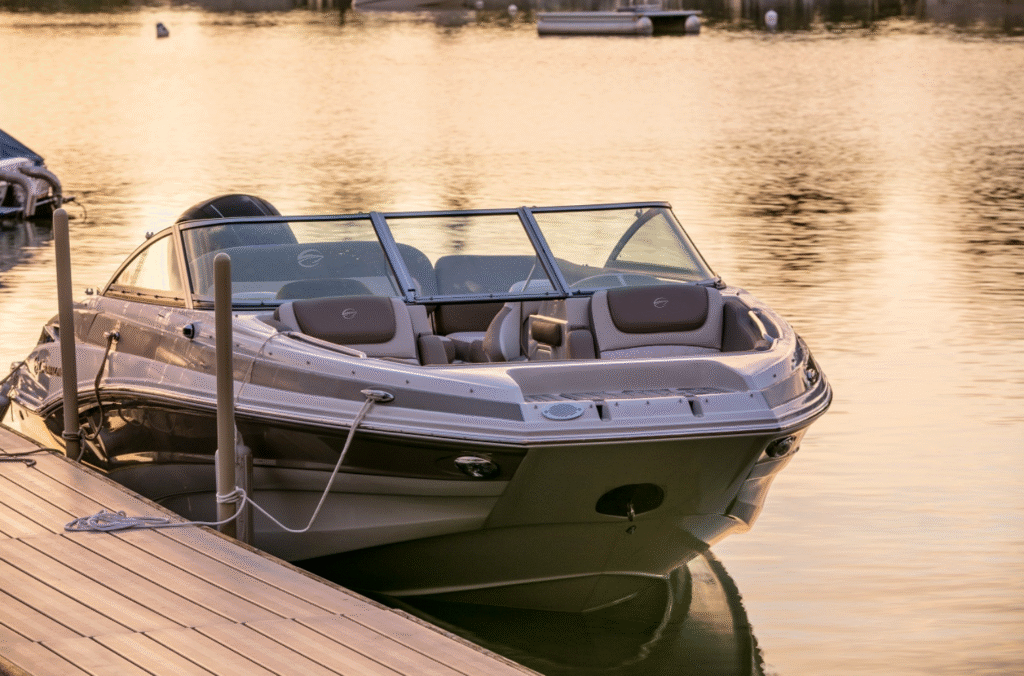
I know. You found the lake house and you’re already picturing the new pontoon tied to the dock.
Buy the house first!
Opening new credit, financing a vehicle or boat, increasing credit card balances or taking on another monthly payment while you’re in the mortgage process can potentially affect your qualification.
“The boat will look a lot better sitting at the dock of the lake house you already own. Get the house closed first, then go boat shopping.” Scott Freerksen, The Lake Guy
Your financial situation is being evaluated throughout the mortgage process, so it’s smart to talk with your lender before making any significant financial move prior to closing.
“Once you’re approved and under agreement, don’t assume the financial work is finished. Before opening new credit, making a large purchase or moving significant amounts of money around, call your loan officer first. A five-minute conversation can prevent a much bigger problem.” Matt Scott, MBA Mortgage
4. Forgetting About the Costs Beyond the Mortgage
Your lake house budget shouldn’t begin and end with principal and interest.
Property taxes matter. Homeowners insurance matters. Flood insurance may matter. Depending on the property, there could also be private road fees, association fees, septic maintenance, dock expenses or other lake-specific costs.
Then there’s the fun stuff.
You’re probably going to want kayaks. Maybe a boat. Maybe that dock needs some work. And somehow every lake house eventually seems to acquire approximately 47 life jackets.
The point isn’t to scare you away from buying a lake house. Quite the opposite.
We want buyers to be able to comfortably enjoy the lifestyle after they close, not discover that they stretched their budget so far to purchase the property that there’s nothing left to enjoy it.
Before you decide on your maximum purchase price, look at the entire monthly and annual cost of lakefront ownership.
5. Underestimating the Importance of the Appraisal
Lakefront appraisals can be tricky.
With a typical subdivision, an appraiser may have several very similar homes nearby that recently sold.
Lakefront doesn’t always work that way.
One house may have 50 feet of frontage while another has 150. One may have a sandy beach and another a steep rocky shoreline. One section of the lake may have spectacular sunsets while another has a completely different view.
Water depth, frontage, views, lake size, recreational opportunities and even where the property sits on the lake can influence desirability and value.
That’s why I frequently remind buyers:
“You aren’t just buying the house. You’re buying the lake, the frontage, the view and the lifestyle that comes with it.” Scott Freerksen, The Lake Guy
A low appraisal doesn’t necessarily mean someone is wrong. It can mean there simply aren’t many truly comparable lakefront sales.
Working with real estate and lending professionals who understand waterfront properties can make a significant difference when navigating these situations.

6. Not Being Clear About How You Plan to Use the Property
Is this going to be your primary home?
A vacation home?
Or are you planning to rent it when you’re not there?
That distinction matters because mortgage programs can treat primary residences, second homes and investment properties differently.
So be upfront with your lender about your plans.
If your dream is to spend summers at the lake and occasionally rent the house, explain that. If you’re primarily buying it as a vacation rental investment, explain that too.
“How you intend to use the property is one of the conversations we want to have early. Primary residence, second home and investment property financing can have different requirements, so the right loan starts with understanding the buyer’s actual plans.” Matt Scott, MBA Mortgage
The goal is to find the correct financing for what you actually intend to do with the property.
7. Choosing a Lender Based Only on the Lowest Advertised Rate
Rate matters. Of course it does.
But so does actually getting to the closing table.
A lakefront transaction can involve questions that don’t come up in an ordinary home purchase. Private roads, seasonal properties, unusual comparable sales, multiple parcels, waterfront access, septic systems and other property characteristics can potentially complicate financing.
When you’re buying a unique property, experience can be every bit as important as an attractive rate quote.
That’s also why having your real estate agent, lender, attorney and insurance professional communicating early can be so valuable.
Get the Financing Right, Then Go Find the Lake
Buying a lake house is supposed to be exciting.
You’re buying morning coffee on the dock. You’re buying sunset boat rides. You’re buying weekends with family and friends, swimming off the dock and dinners overlooking the water.
Don’t let a preventable financing mistake get in the way.
Start with a good lender. Get preapproved. Explain exactly what you’re looking to buy and how you plan to use it. Then work with a lakefront real estate specialist who understands that the lake is every bit as important as the house.
Once those pieces are in place, we can focus on the fun part.
Finding your lake.