
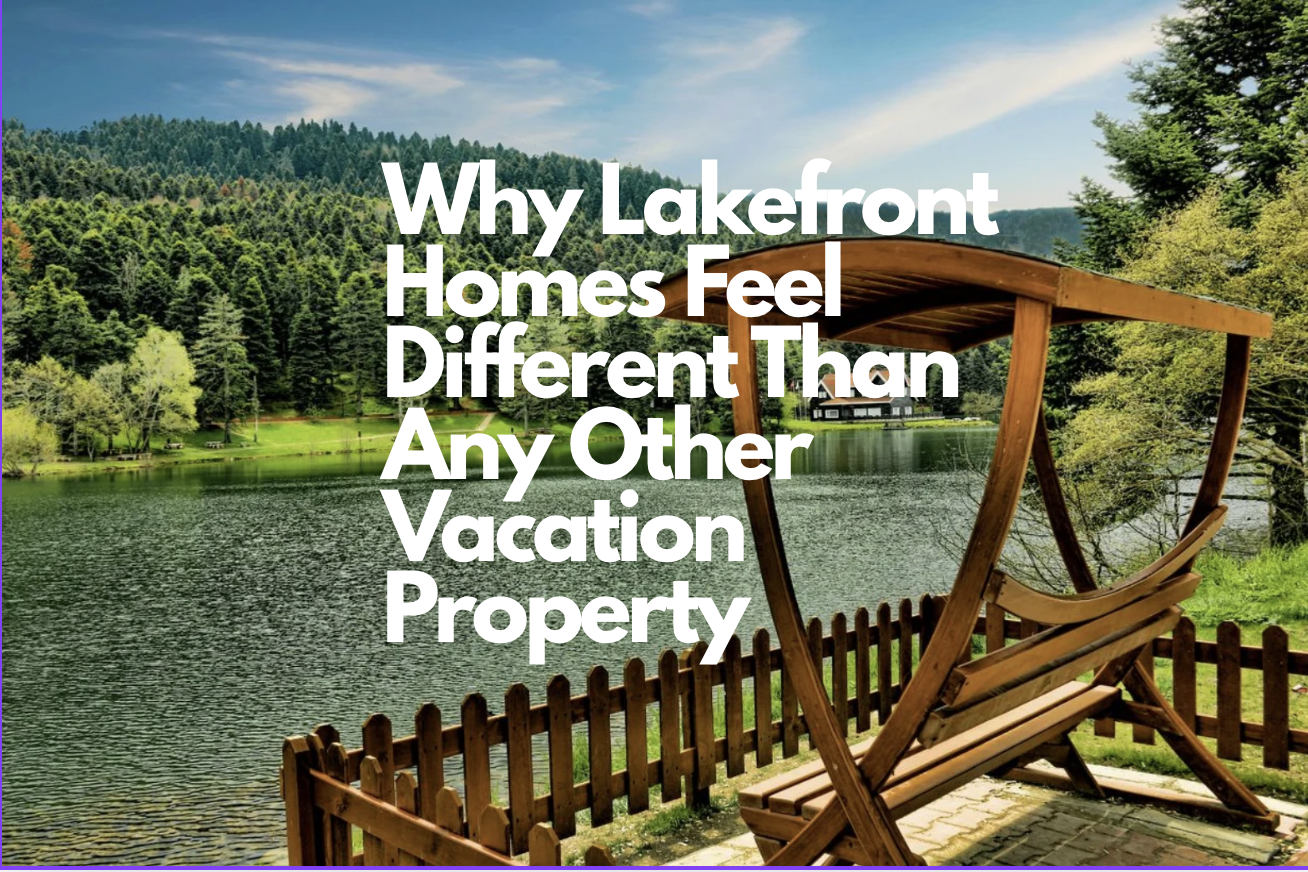
After more than 20 years specializing in lakefront real estate, I’ve noticed something interesting about lakefront buyers. Many of them originally considered other types of vacation properties first. Some looked at beach homes. Others explored mountain cabins, ski condos, or even golf communities.
But once they spend time at the lake, something changes.
The lake just feels different.
And honestly, I think that’s because lakefront living combines a little bit of everything people are searching for in a second home or lifestyle property. It offers relaxation without feeling crowded. Recreation without feeling rushed. Nature without feeling isolated. Energy when you want it, and peace when you need it.
As I often tell clients, “Buyers are buying a lifestyle, not just a house.” And the lake lifestyle tends to connect with people on a very personal level.
One of the biggest differences between lakefront homes and other vacation properties is how versatile they are. A beach home can be amazing, but in many areas, beach life revolves around one thing: the beach itself. Mountain homes often center around a specific season. Ski properties may feel most active during winter months.
But lakefront homes tend to evolve with the seasons in a way that keeps owners emotionally connected year-round.
Summer
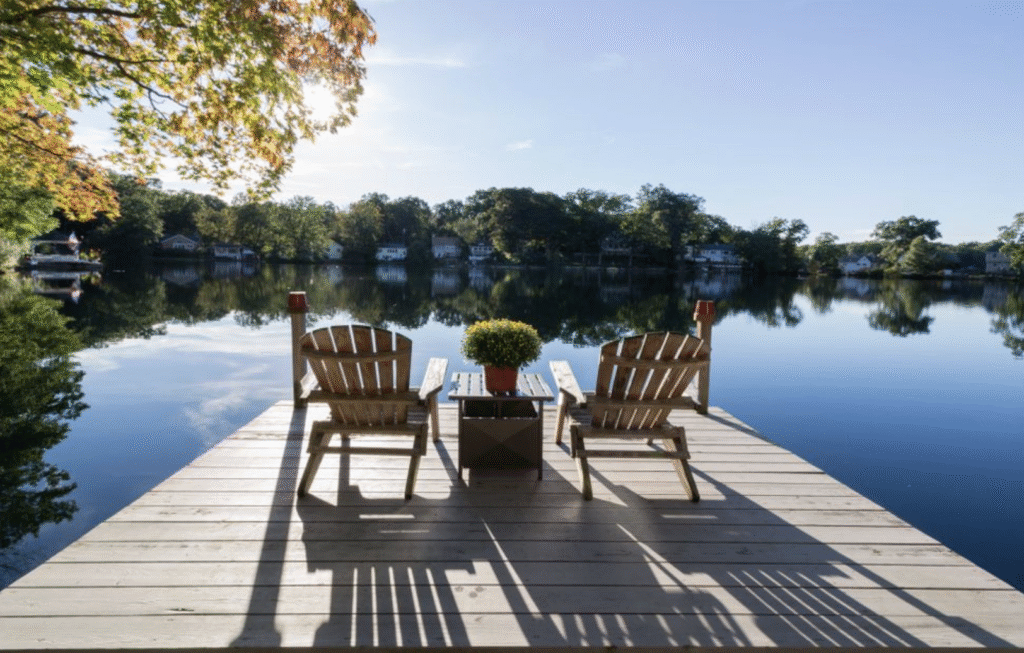
Summer obviously gets most of the attention. Boating, swimming, paddleboarding, tubing, fishing, sunset cruises, cookouts, and nights around the firepit create the classic lake memories people dream about. But the experience doesn’t end when summer does.
Fall
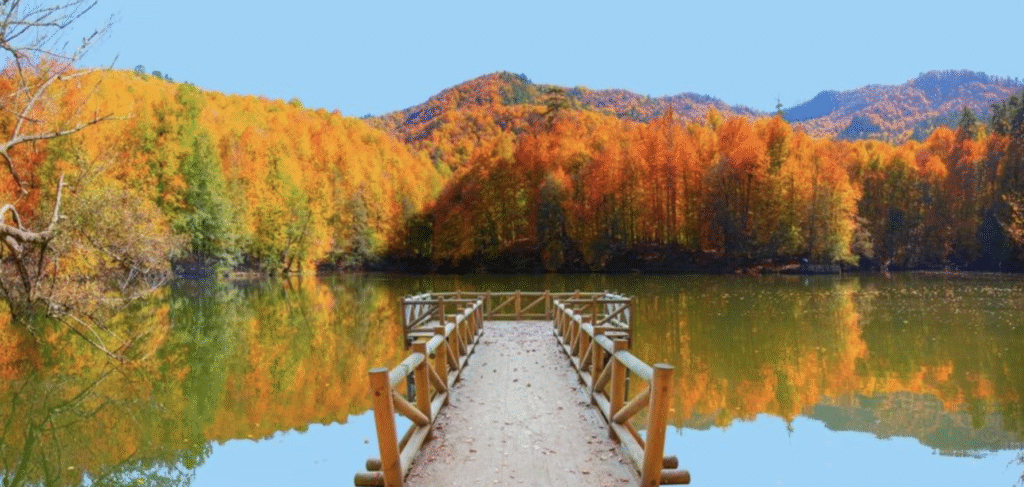
Fall on the lake can be absolutely breathtaking. Cooler nights, changing foliage reflecting off the water, quieter weekends, and crisp morning air create an entirely different atmosphere. For many owners, autumn becomes their favorite season at the lake.
Winter
Winter brings another layer entirely. Ice skating, ice fishing, snow-covered shorelines, and the peaceful stillness of a frozen lake create a kind of tranquility that’s hard to explain unless you’ve experienced it yourself.
Spring
Then spring arrives, and suddenly the lake comes back to life again. Boats return to the water. Docks go back in. Neighbors reconnect after winter. There’s an excitement and anticipation that comes with the start of another lake season.
That constant seasonal transformation is part of what makes lakefront homes feel so emotionally rewarding.
Another thing that separates lakefront living is the pace
The moment most people arrive at the lake, they naturally slow down. You can almost feel it happen. The schedules loosen up. Phones get put away more often. Families spend more time outside. People start paying attention to sunsets again.
Life simply feels different at the lake.
I’ve had countless buyers tell me they sleep better at their lake house than anywhere else. Others say their kids spend less time on screens and more time outdoors than they ever imagined possible.
There’s also something uniquely social about lake communities. Even on larger lakes, there’s often a stronger sense of connection between neighbors compared to many traditional neighborhoods or vacation destinations.
People wave from boats. They gather for fireworks displays, boat parades, poker runs, floating concerts, or lakeside cookouts. Kids make friends quickly because everyone naturally gravitates toward the water.
Some of the strongest friendships people form happen at the lake.
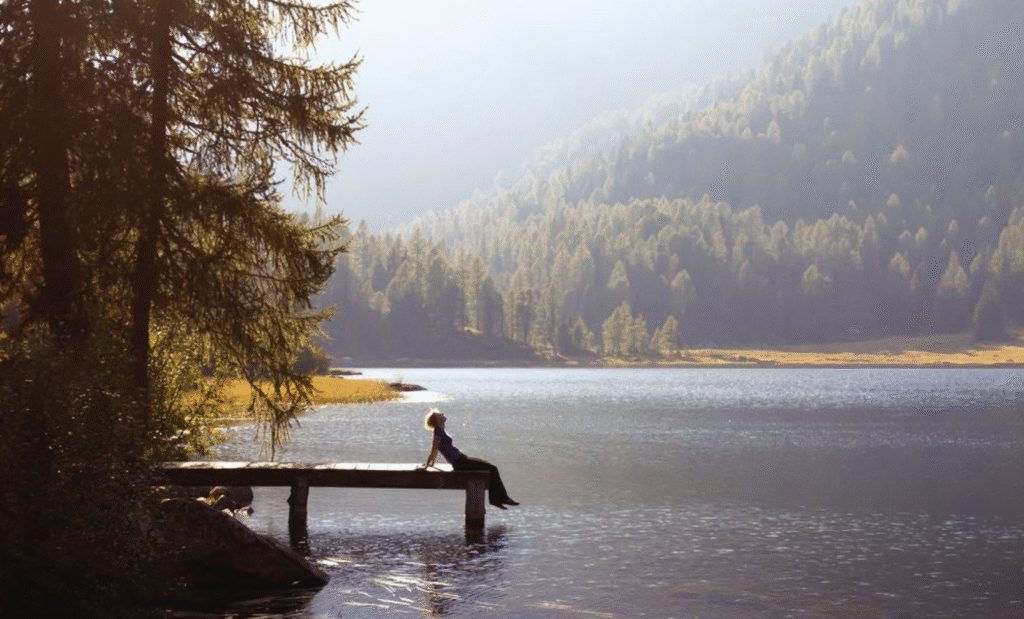
At the same time, lakefront homes can also offer incredible privacy and solitude. That’s part of the appeal too. Unlike many beach communities that become heavily crowded during peak seasons, many lakes still provide quiet coves, wooded shorelines, and peaceful surroundings where owners can truly unplug.
You get the best of both worlds.
Another major difference is how personal lakefront homes become to families over time
Many vacation properties serve as temporary escapes. But lake homes often evolve into family gathering places that hold decades of memories. Kids grow up learning how to swim off the dock. Grandparents teach fishing lessons from the boat. Holiday weekends become traditions.
Over time, the property becomes much more than real estate.
It becomes part of the family story.
I’ve seen families pass lake homes down through multiple generations because the emotional attachment becomes so strong. That’s something you don’t see quite as often with many other types of vacation properties.
And from an investment standpoint, lakefront homes also tend to benefit from something very important: limited supply.
You can build more houses. You can build more neighborhoods. But you can’t create more waterfront
Especially on highly desirable recreational lakes, the supply of quality lakefront property is naturally limited.
That scarcity is one reason demand for lakefront homes tends to remain strong over time.
Of course, not all lakes are the same, which is why working with a true lakefront specialist matters. Every lake has its own personality, rules, recreation style, water quality, boating activity, and community feel.
Some lakes are ideal for watersports and entertaining. Others are better suited for fishing, kayaking, and quiet relaxation. Some attract luxury buyers seeking large waterfront estates. Others appeal to buyers searching for simple cottages and a slower pace of life.
Understanding those differences is incredibly important when helping buyers find the right fit.
As I often say, “When you narrow your focus, you expand your appeal.” Lakefront real estate is its own world, and the details matter.
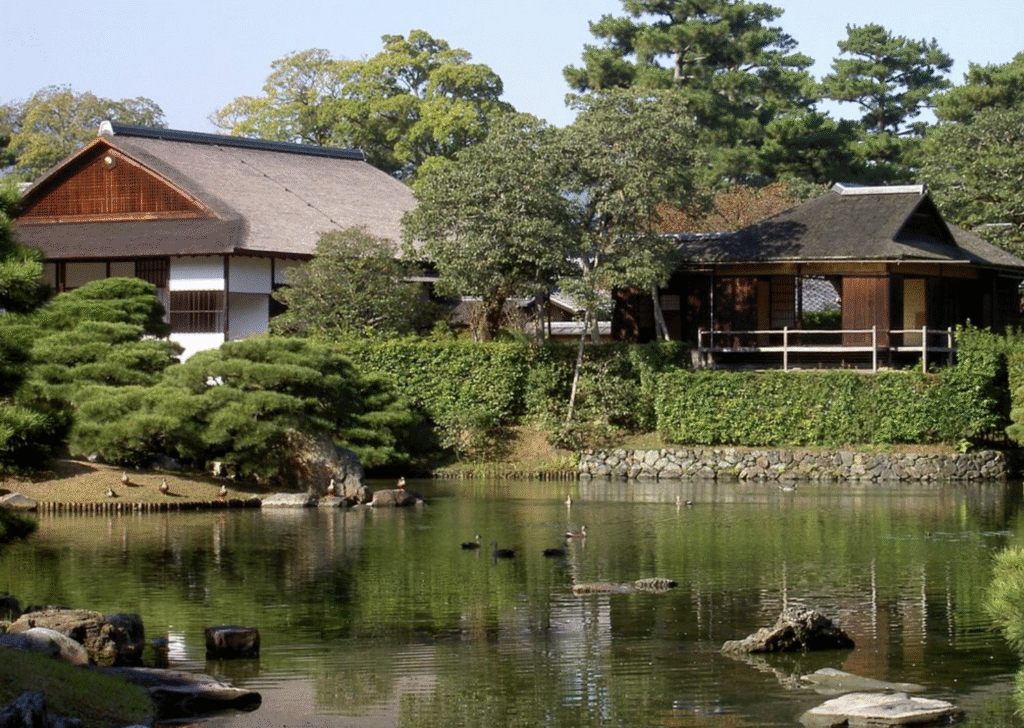
But regardless of the lake itself, most owners will tell you the same thing after they buy. The value of lakefront living goes far beyond the property.
It’s the early morning calm before the rest of the world wakes up. It’s hearing laughter echo across the water on a summer evening. It’s watching your kids and grandkids build traditions that may last for generations.
That’s why lakefront homes feel different than other vacation properties.
They don’t just give people a place to visit.
They give people a lifestyle they never want to leave.
Posted by Scott Freerksen “The Lake Guy”