

Buying a lake house is one of the most exciting investments you can make. Whether you’re searching for a peaceful weekend retreat, a full-time waterfront residence, or a vacation property that generates rental income, timing your purchase can have a significant impact on the price you pay, the selection you have, and your overall buying experience.
So, what is the best time of year to buy a lake house?
The answer isn’t as simple as naming a single month. Each season offers unique advantages depending on your priorities. Some buyers are looking for the lowest possible price, while others want the widest selection or the ability to inspect a property during peak lake season.
After helping buyers purchase lakefront homes for more than 20 years, I’ve found that the “best” time depends on what matters most to you.
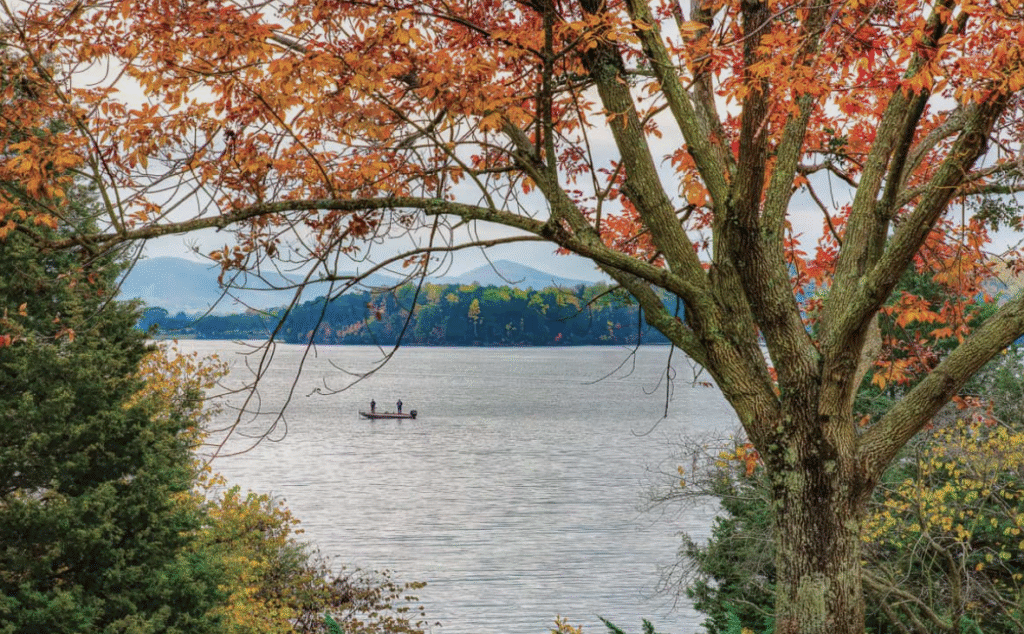
Fall: The Best Time for Negotiating
If your goal is to find the best value, fall is often the sweet spot.
Once Labor Day passes, many casual buyers disappear. Families are focused on school, boating season is winding down, and lakefront traffic slows considerably. Sellers who listed during the spring or summer and haven’t sold are often much more motivated to negotiate.
This creates opportunities that simply don’t exist during the busiest months.
You may find:
- Price reductions
More flexible sellers
Less competition from other buyers
Better negotiating leverage
Properties that have been on the market throughout the summer often receive fewer showings in September and October. Sellers become more realistic about pricing before winter arrives, making this one of the strongest buying opportunities of the year.
Winter: The Best Time for Bargain Hunters
Winter is often overlooked, but it can be an excellent time to buy.
Inventory is usually lower, but so is buyer competition.
The people shopping for lake houses in January typically aren’t browsing. They’re serious buyers. Likewise, sellers who keep their homes on the market during winter are often highly motivated.
Some may be relocating, managing an estate, or simply don’t want to carry another season of expenses.
Winter buyers often benefit from:
- Less competition
Greater negotiating power
Faster transaction timelines
Potentially lower sale prices
There is one tradeoff, however.
Frozen lakes and snow-covered shorelines can make it more difficult to evaluate the property’s waterfront features. You may not be able to fully inspect the dock, shoreline, water clarity, or lake bottom.
An experienced lakefront specialist can help fill in those gaps by providing seasonal photos, water-depth information, historical aerial imagery, and local lake knowledge.

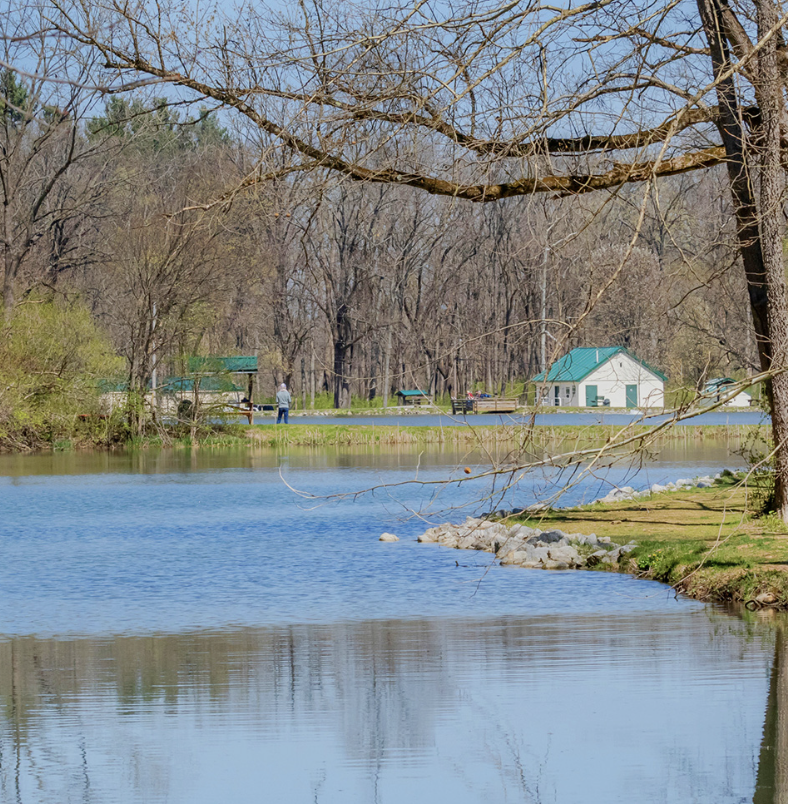
Spring: The Largest Selection
Spring is when the lakefront market comes alive.
Many homeowners wait until April or May to list because they want their property to look its absolute best. Green lawns, blooming flowers, sparkling water, and docks back in the water make for outstanding first impressions.
If finding the perfect property is more important than negotiating the lowest price, spring is hard to beat.
You’ll enjoy:
- The greatest inventory
Fresh listings every week
More choices on your favorite lakes
Plenty of time to close before summer
You’re not the only one shopping.
Spring also attracts the largest number of buyers, especially families hoping to enjoy their new lake home before school lets out.
Multiple offers become much more common, and desirable homes can sell quickly.
Summer: Experience the Lake at Its Best
There’s something magical about touring a lake house in the middle of summer.
Boats are cruising by, families are swimming, restaurants are open, and the lake is alive with activity.
Buying during summer lets you experience exactly what you’re purchasing.
You’ll be able to evaluate:
- Boat traffic
Noise levels
Water quality
Swimming conditions
Sunset views
Neighbor activity
Local marina operations
For buyers relocating from out of state, summer visits can provide confidence that they’re choosing the right lake and community.
The challenge is that summer is also peak demand.
Competition is often strongest, and sellers know buyers want to enjoy the property immediately. As a result, negotiating room is usually smaller.

Should You Wait for Prices to Drop?
Many buyers spend months waiting for the “perfect” market.
In reality, timing the real estate market is incredibly difficult.
The right property on the right lake rarely waits for perfect economic conditions.
Unlike traditional suburban neighborhoods, many lakes have extremely limited inventory. There may only be a handful of waterfront homes available each year.
If your dream property becomes available, waiting for prices or interest rates to change could mean losing it altogether.
Instead of trying to perfectly time the market, focus on finding the right lake, the right location, and a property that fits your long-term goals.
Every Lake Has Its Own Market
One of the biggest misconceptions about lakefront real estate is that all lake markets behave the same way.
They don’t.
Some lakes experience extremely high demand with very little inventory. Others have seasonal fluctuations or larger supplies of available homes.
Waterfront markets are much more localized than traditional housing markets.
That’s why working with a lakefront specialist is so valuable.
A specialist understands:
- Seasonal buying patterns
Historical pricing
Waterfront regulations
Dock requirements
Flood zones
Water quality
Rental restrictions
Local market trends
Those details can dramatically affect both your enjoyment of the property and its long-term value.
My Advice After Two Decades of Selling Lake Homes
People often ask me, “Scott, when should I buy?”
My answer is almost always the same.
Buy the right lake house when the right one becomes available.
Could you save a little money by waiting until fall or winter? Absolutely.
Could you also miss the perfect property because someone else acted first? Absolutely.
Lakefront homes are unique. No two properties have the exact same shoreline, views, sunsets, privacy, or waterfront access.
You can negotiate price.
You can renovate a kitchen.
You can update flooring.
But you can’t move a property to a better location on the lake.
That’s why I encourage buyers to focus less on the calendar and more on finding a property they’ll love for years to come.
Final Thoughts
So, what is the best time of year to buy a lake house?
Fall offers some of the best negotiating opportunities.
Winter can provide excellent bargains with less competition.
Spring delivers the largest selection of homes.
Summer allows you to experience lake life at its absolute best.
Every season has advantages.
The key is understanding your priorities and working with a lakefront expert who understands the unique characteristics of waterfront real estate.
Because when the right lake house comes along, the best time to buy is often simply when you find it.
Posted by Scott Freerksen “The Lake Guy”