
There’s something special about life on a freshwater lake. Beyond the peaceful water, sunsets, and boating adventures, lakes are home to an incredible variety of wildlife that many people overlook every day. One of the best parts about spending time at the lake is learning to recognize the animals that share the shoreline with us. The more time you spend outdoors, the more you begin to notice the patterns, sounds, and behaviors that make every lake unique.
Whether you’re relaxing at the dock, kayaking through a quiet cove, fishing at sunrise, or simply enjoying your morning coffee overlooking the water, understanding the fauna around your lake can deepen your appreciation for the entire lakefront lifestyle.
Waterfowl: The Birds You’ll See Most Often
For most lakefront owners, birds are the first wildlife they become familiar with. Freshwater lakes attract an enormous variety of waterfowl because they provide food, nesting areas, and protection.
Canada Geese
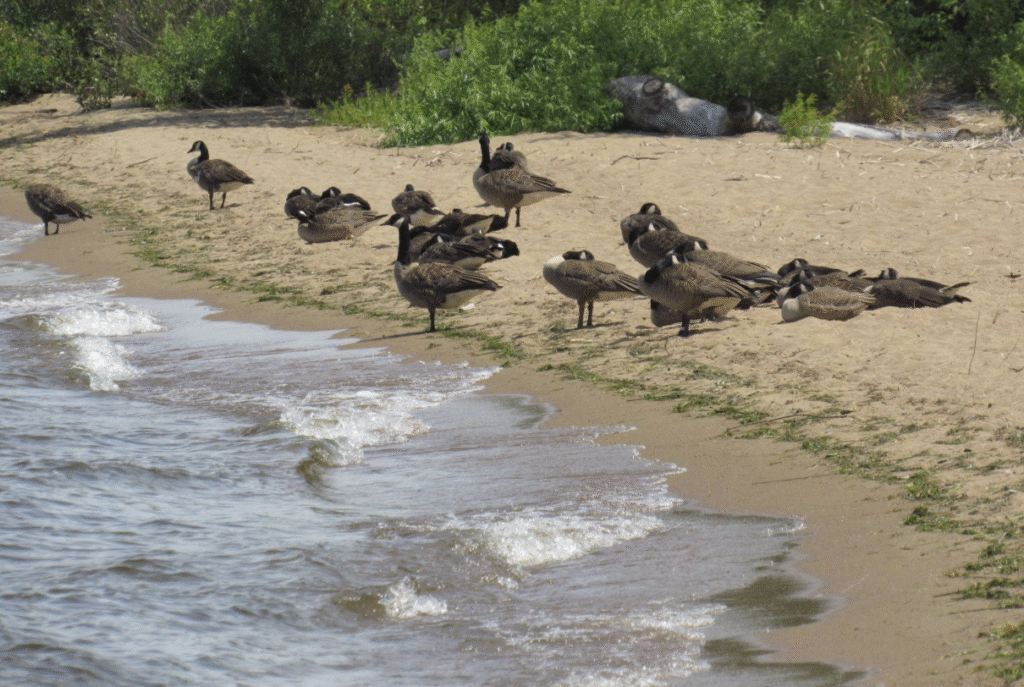
One of the easiest birds to identify is the Canada Goose. Their black necks and heads, paired with a white chinstrap marking, make them unmistakable. Geese are often seen grazing near shorelines or traveling in large V-shaped formations overhead.
They are highly territorial during nesting season, especially in the spring. If you notice loud honking and aggressive behavior near the shoreline, there’s likely a nest nearby.
Mallard Ducks
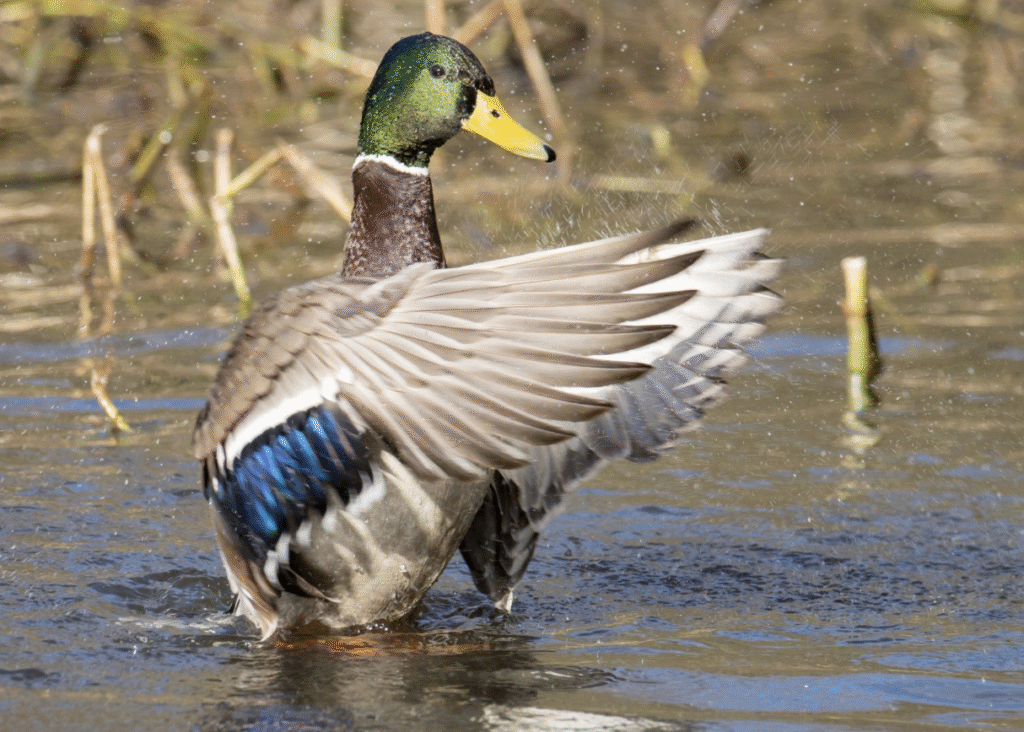
Mallard are another lake favorite. Males are easy to identify with their glossy green heads and yellow bills, while females are mottled brown for camouflage. Mallards are adaptable and comfortable around humans, which is why they are commonly found near docks, beaches, and marinas.
Loons
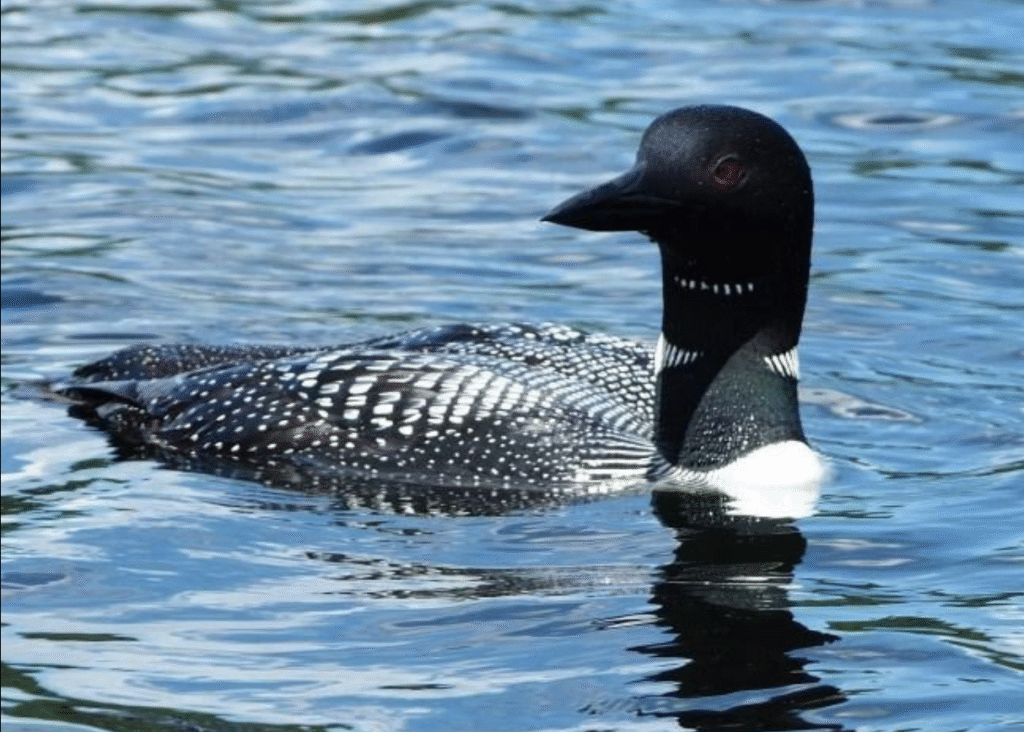
Few sounds define lake life more than the haunting call of the Common Loon. Loons are most common on clear northern lakes and are known for their striking black-and-white patterns and bright red eyes.
Unlike ducks, loons sit very low in the water and are exceptional divers. If one suddenly disappears underwater, don’t be surprised if it resurfaces 100 yards away.
Fish Species Beneath the Surface
Freshwater lakes support a wide variety of fish species, many of which directly impact boating, fishing, and overall lake health.
Largemouth Bass
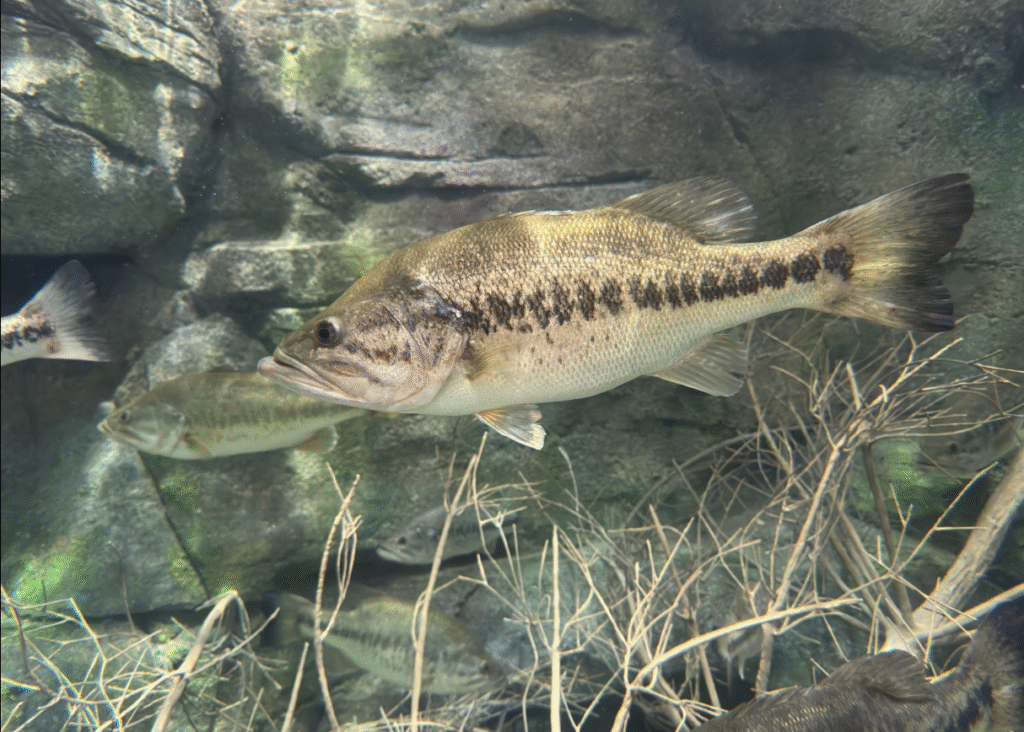
Largemouth Bass are one of the most recognizable freshwater fish in North America. Their oversized mouths extend past their eyes, and they thrive in warmer, weedy areas of lakes.
If you enjoy fishing, you’ll often find bass hiding around docks, fallen trees, lily pads, and submerged structures.
Sunfish and Bluegill
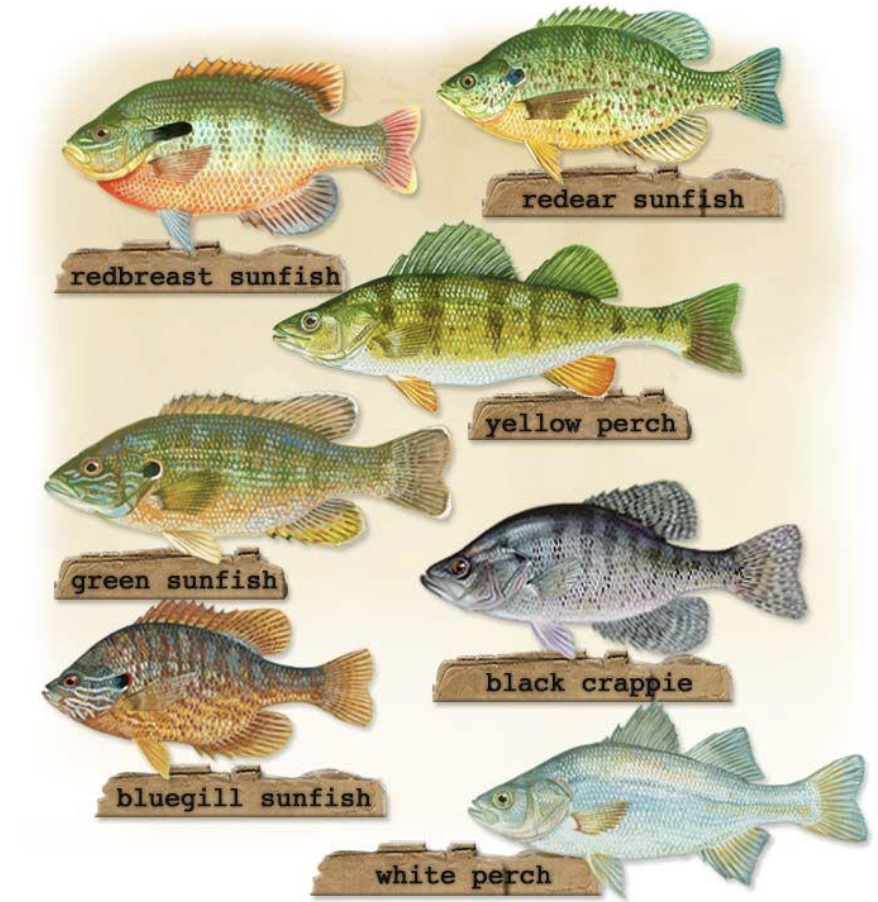
Bluegill are commonly spotted near shorelines and swimming areas. Their flat, circular bodies and colorful patterns make them easy to identify. They are often the first fish children catch while fishing from docks.
These smaller fish play a major role in the lake ecosystem by serving as food for larger predators.
Mammals Around the Lake
Many freshwater lakes are surrounded by forests and wetlands, creating ideal habitats for mammals both large and small.
Beavers
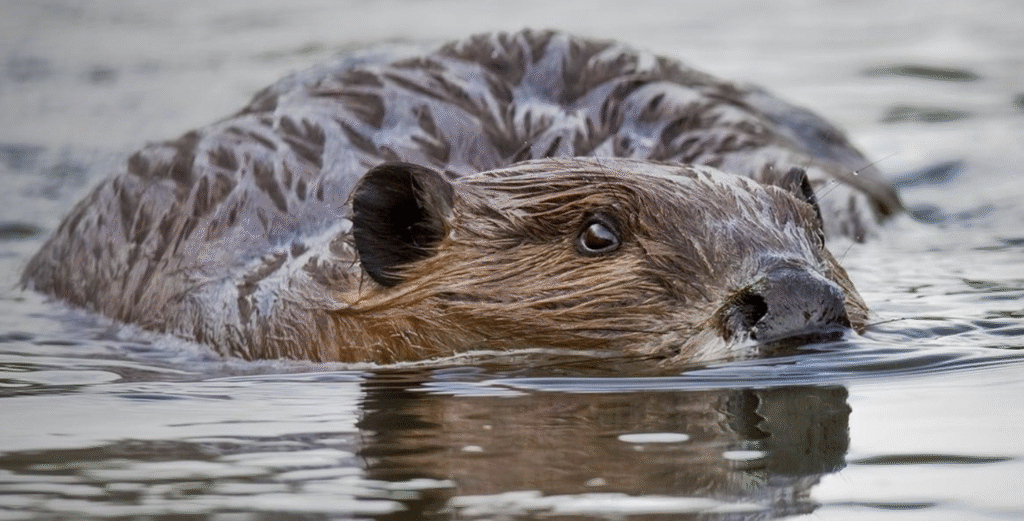
The North American Beaver is one of nature’s greatest engineers. You can identify beaver activity by looking for chewed tree stumps, dams, and lodges made of sticks and mud.
Beavers are primarily nocturnal, so you’re most likely to spot them around dusk. If you hear a loud slap on the water, that’s usually a beaver smacking its tail as a warning signal.
White-Tailed Deer
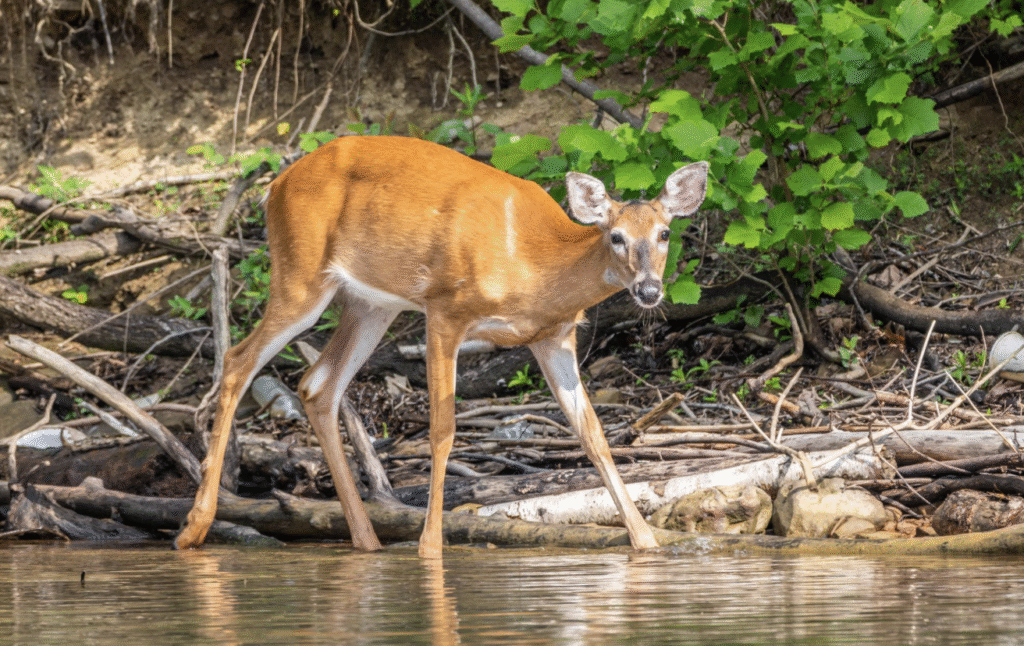
White-tailed Deer are frequently seen near freshwater lakes, especially early in the morning or near sunset. Look for their signature white tail flashing as they run into wooded areas.
Tracks near muddy shorelines are another giveaway. Deer tracks are heart-shaped and split into two distinct halves.
Reptiles and Amphibians
Not all lake wildlife has feathers or fur. Some of the most important lake creatures spend much of their lives in wetlands and shallow water.
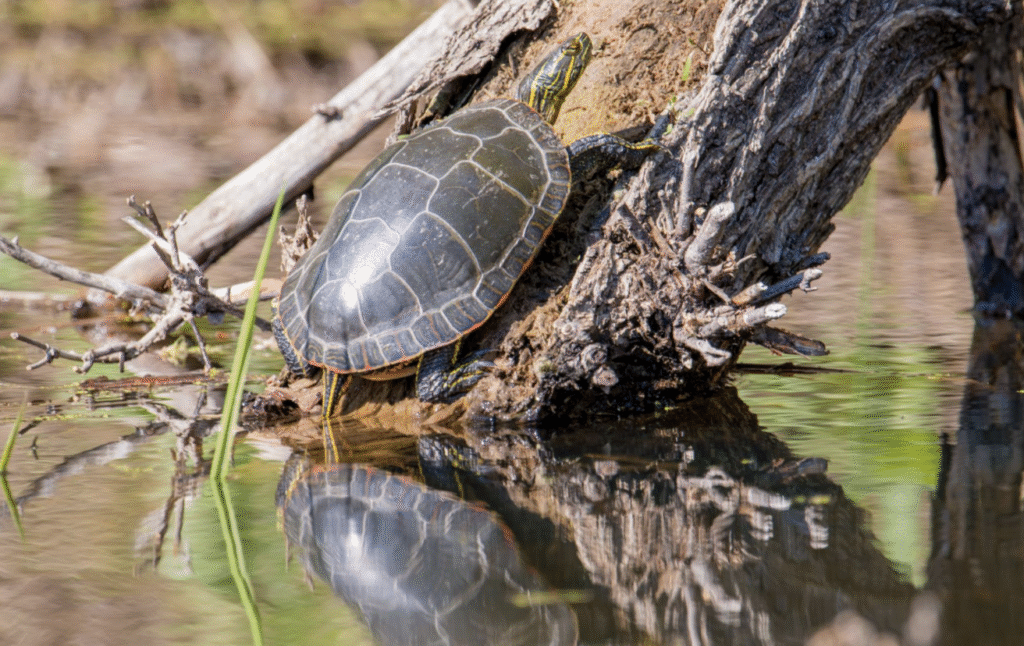
Painted Turtles
Painted Turtle are commonly seen sunning themselves on logs or rocks during warm afternoons. Their smooth dark shells and colorful red-and-yellow markings make them relatively easy to identify.
If you approach too quickly, they’ll slide into the water almost instantly.
Frogs
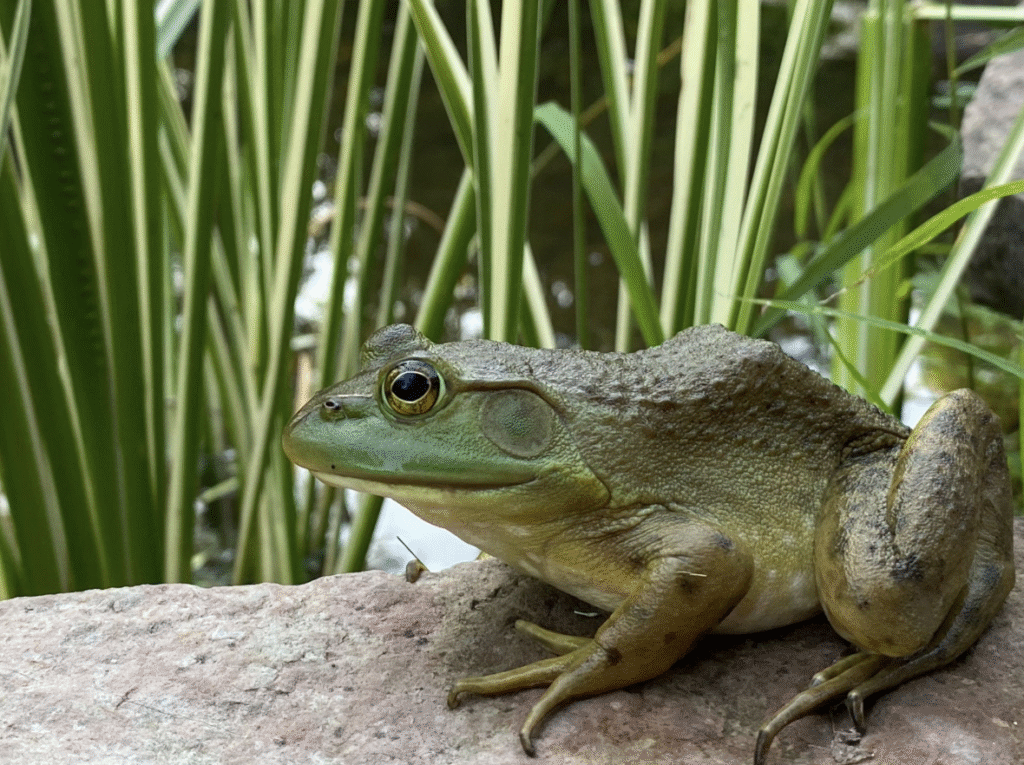
Frogs are often heard before they’re seen. American Bullfrog produce deep, resonating calls that echo across quiet lakes during summer evenings.
Smaller frogs may create high-pitched chirps or trills depending on the species. Listening carefully can often help you identify which amphibians are nearby.
Birds of Prey Around Freshwater Lakes
Lakes provide excellent hunting grounds for predators.
Bald Eagles
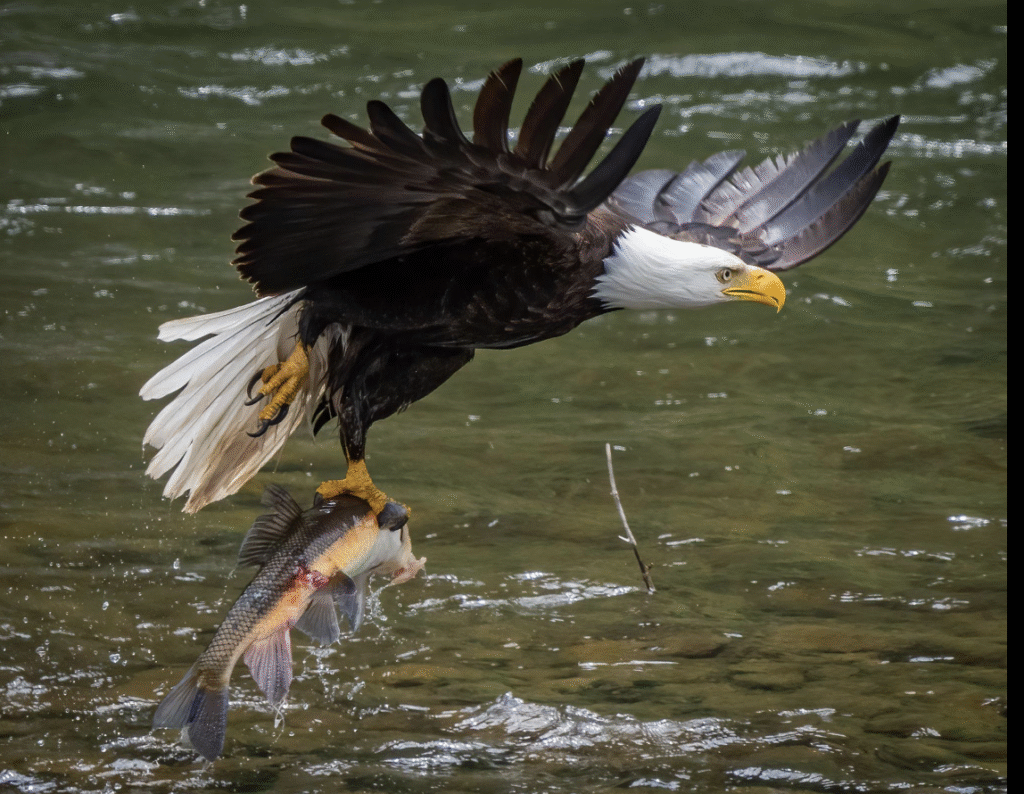
The return of the Bald Eagle to many freshwater lakes has been one of conservation’s greatest success stories. Adults are easy to recognize with their white heads and tails.
Eagles are commonly seen soaring above lakes searching for fish. Large stick nests high in pine trees are another clue they may live nearby.
Ospreys
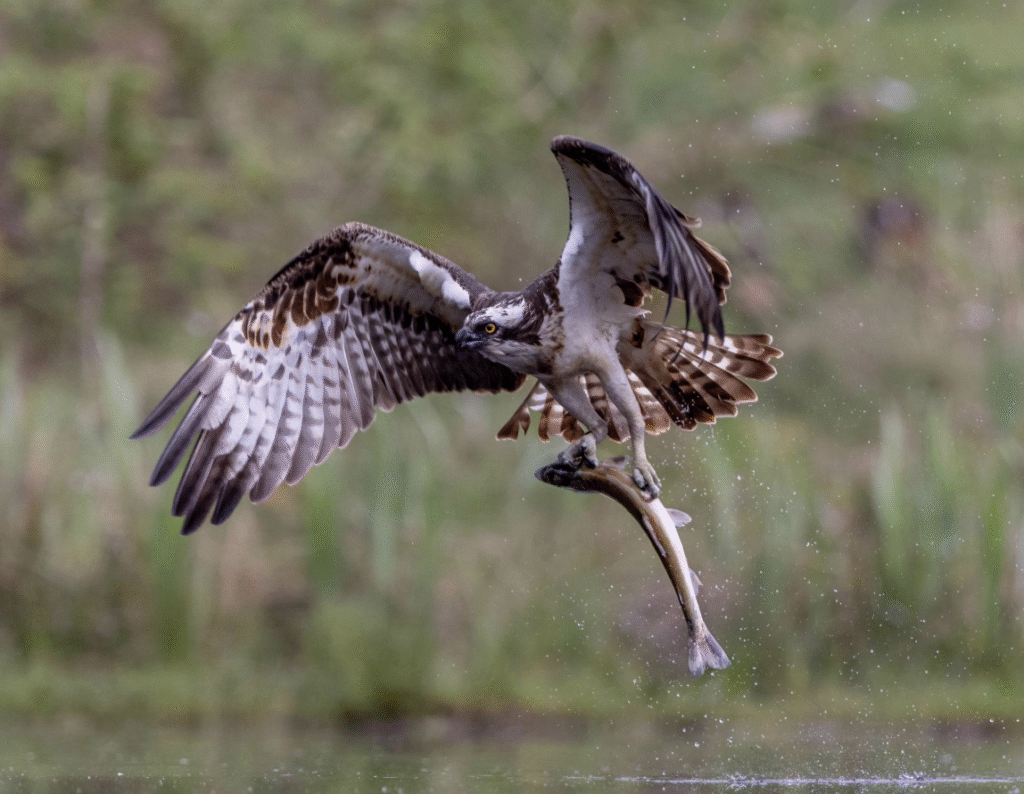
Osprey are expert fishermen. Unlike eagles, they frequently hover before diving feet-first into the water to catch fish.
You’ll often spot osprey nests on utility poles, channel markers, or specially constructed nesting platforms near lakes.
Learning to Read the Lake
One of the easiest ways to identify wildlife is to slow down and observe patterns. Listen for calls at different times of day. Watch shoreline movement early in the morning. Look for tracks in mud or sand after rainstorms. Pay attention to where birds gather or where fish jump at dusk.
Over time, the lake begins to tell a story.
That’s one of the hidden rewards of lakefront living. You don’t just own property on the water. You become connected to an entire ecosystem that changes with the seasons. The wildlife becomes part of your daily routine, whether it’s loons calling at night, turtles basking in the sun, or an eagle soaring overhead while you sit on your dock.
The more you learn to identify the fauna around your freshwater lake, the more you begin to appreciate how alive these environments truly are.
Posted by Scott Freerksen “The Lake Guy”