
Buying a lakefront home is rarely a purely logical decision. It is emotional, aspirational, and often years in the making. Buyers imagine quiet mornings on the dock, summer evenings by the firepit, and weekends that feel like a permanent vacation. Because of that emotional pull, many lakefront buyers move quickly once they find “the one.”
And that is where regret can creep in.
After more than two decades working exclusively with lakefront buyers, one theme comes up again and again. It is not that buyers regret buying on a lake. They almost never do. What they regret is not asking a few critical questions before closing.
As I often tell buyers:
“Lakefront homes are bought with the heart, but they need to be protected with experience. When buyers take the time to ask the right questions about the lake, not just the house, they almost always enjoy the lifestyle more and sleep better at night.”
— Scott “The Lake Guy” Freerksen
Here are the most common questions lakefront buyers wish they had asked sooner.

How Does the Water Level Change Throughout the Year?
This is the single most common regret.
Buyers often tour a lakefront home during peak water levels, usually late spring through summer. At that moment, the shoreline looks perfect and the dock sits in ideal water depth. What they do not ask is how that water level behaves in the off-season.
Some lakes experience dramatic drawdowns for dam maintenance, flood control, or ecological management. Others fluctuate subtly but enough to impact dock usability, swimming access, or even the view.
Buyers later discover exposed shoreline, muddy banks, or docks that are unusable for months at a time. The regret is not about the lake itself, but about not understanding its rhythms.
The better question is not “Is the lake full now?” but “What does this shoreline look like in January, March, and October?”
Who Controls the Lake and What Rules Come With It?
Not all lakes are governed the same way.
Some are town-managed, others are privately controlled, and many fall under lake associations with their own rules, fees, and enforcement authority. Buyers often assume access and usage rights without confirming them.
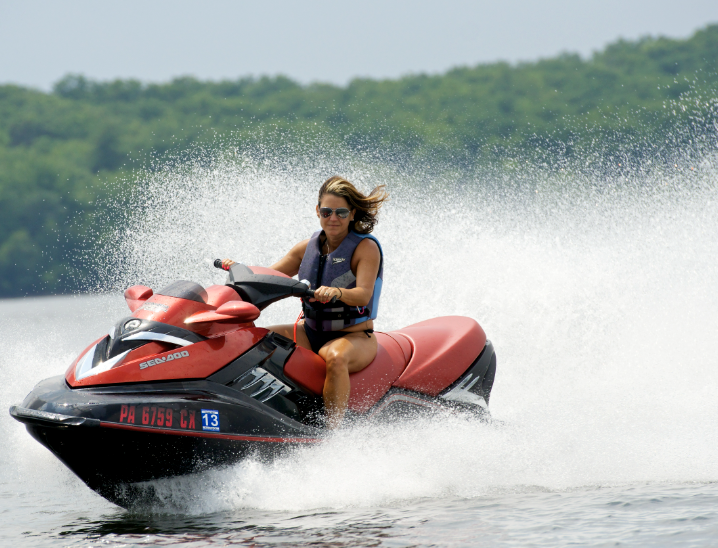
Common regrets include discovering limits on boat size, horsepower restrictions, jet ski bans, quiet hours, or strict rules about dock modifications. In some cases, buyers learn after closing that their dream of waterskiing or hosting large gatherings on the dock is not permitted.
Lake governance affects lifestyle just as much as the house itself. Buyers wish they had asked who makes the rules and how flexible those rules really are.
What Is the True Cost of Owning the Dock and Shoreline?
A dock feels like part of the property, but it comes with ongoing responsibilities that are easy to underestimate.
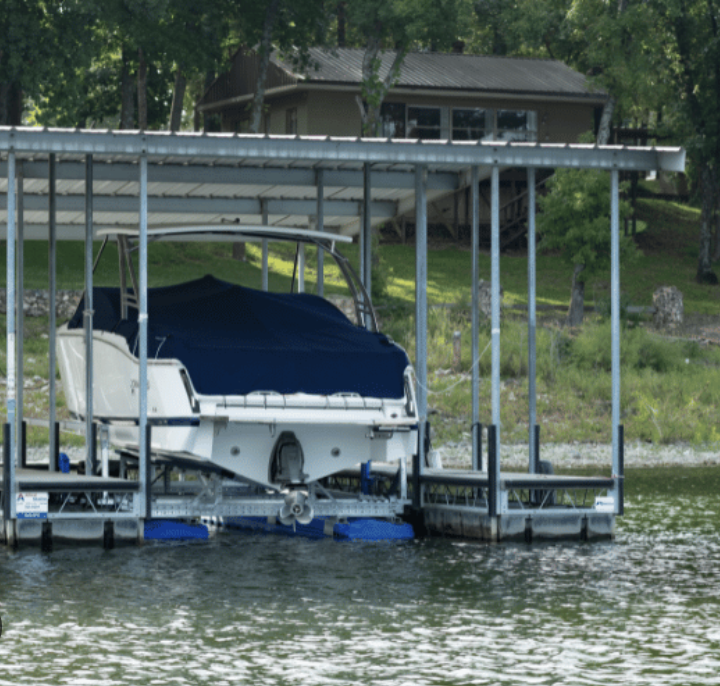
Buyers often regret not asking about seasonal dock removal, reinstallation costs, permit requirements, insurance coverage, and long-term maintenance. On some lakes, docks must be removed every winter. On others, they can remain but require additional insurance riders.
Shoreline stabilization is another surprise. Erosion, ice damage, and wave action can lead to unexpected expenses. Buyers sometimes assume these are rare events, only to learn they are part of normal lakefront ownership.
The regret is not the cost itself, but the surprise of it.
How Busy Does This Lake Get at Peak Season?
A lake in May can feel completely different in July.
Buyers touring midweek or off-season often do not experience the full energy of the lake. After closing, they may discover heavy boat traffic, constant noise, or crowded coves during summer weekends.
Conversely, some buyers assume all lakes are busy and later realize they wanted a more social environment than what they bought.
Buyers regret not asking locals, neighbors, or lake associations what a typical summer weekend really feels like. Lake culture matters, and it varies widely.
What Restrictions Apply to Future Changes or Additions?
Many buyers plan future improvements but do not confirm feasibility before closing.
They assume they can expand a dock, add a boat lift, install a firepit near the water, or improve shoreline access. After purchase, they discover setback rules, environmental protections, or permitting challenges that limit their plans.
Lakefront property is often subject to stricter regulations than inland homes. Buyers regret not asking what is possible and what is not before making emotional assumptions about the future.
The lesson is simple. If it touches the water, ask first.
How Is Water Quality Monitored and Communicated?
Water quality affects swimming, pets, fishing, and long-term property value. Buyers often assume that if a lake looks clean, it is consistently safe.
Some lakes publish regular water quality reports. Others rely on informal communication or seasonal testing. Buyers later discover algae blooms, temporary swimming advisories, or issues tied to runoff and watershed management.
The regret is not necessarily that problems exist, but that they were not understood in advance. Asking how water quality is monitored and how issues are communicated helps buyers feel informed and prepared.
What Happens Here in the Winter?
Lakefront living does not stop when the water freezes, but the experience changes dramatically.
Buyers regret not asking about winter access, snow removal, road maintenance, and emergency services. Some lake roads are private, steep, or difficult to navigate in winter weather.
Others discover that their lake becomes a hub for ice fishing, snowmobiling, or skating, which can be a positive or a surprise depending on expectations.
Understanding the winter personality of a lake is just as important as understanding summer life.
How Does This Lake Hold Value Over Time?
Not all lakes perform equally as long-term assets.
Buyers sometimes regret not asking about historical resale performance, development limits, and long-term protection of the watershed. Lakes with strong associations, limited shoreline development, and active environmental stewardship tend to hold value better through market shifts.
This question is less emotional and more strategic, but it is one buyers wish they had prioritized earlier.
The Real Lesson Buyers Learn Too Late
Most lakefront buyers do not regret the lake. They regret rushing past the questions that would have given them confidence, clarity, and peace of mind.
The difference between a good lake purchase and a great one is rarely the house itself. It is understanding how the lake actually lives, breathes, and behaves over time.
Lakefront ownership is one of life’s great privileges. Asking the right questions before closing ensures it stays that way long after the excitement fades.
Because once you experience the lakefront lifestyle, the only real regret should be not buying sooner.
Posted by Scott Freerksen “The Lake Guy”