
If you ask longtime lakefront homeowners what made the biggest difference in their buying experience, you’ll rarely hear them talk about countertops, square footage, or even the price they paid.
Instead, almost every truly happy lakefront homeowner points back to one simple decision they made before ever signing a contract:
They took the time to fully understand the lake itself, not just the house sitting on it.
It sounds obvious. Yet it’s the step most buyers rush through or skip entirely.
And it’s the reason some families fall in love with lake life forever while others quietly regret their purchase a few years later.
Let’s talk about why this matters so much and how it can completely change your lakefront buying experience.
The House Isn’t the Dream. The Lake Is.
When people start shopping for a lakefront home, they usually focus on the same things they would in any other real estate purchase:
- • Bedrooms and bathrooms
• Renovation potential
• Price
• Location
But lakefront living is different.
You’re not just buying walls and a roof. You’re buying:
- • The water you’ll swim in
• The shoreline you’ll relax on
• The boating lifestyle
• The views you’ll wake up to every morning
• The long term value of the lake community
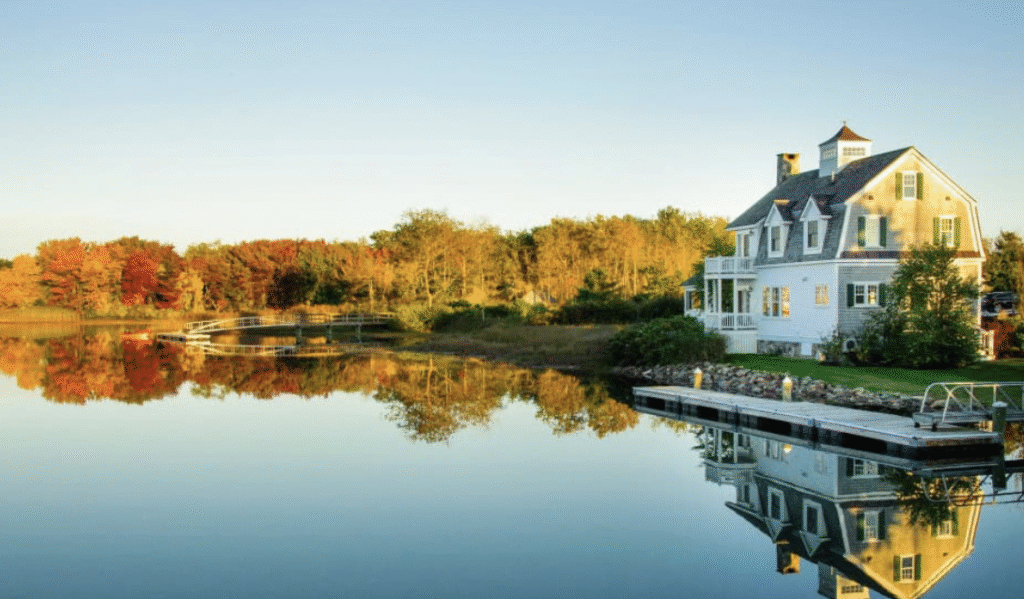
The lake itself becomes part of your home
Happy lakefront owners understand this early. Unhappy ones don’t realize it until after they move in.
Why So Many Buyers Get This Wrong
In traditional real estate, you can change almost everything about a house.
You are able to renovate.
Additions can be added on.
You can update kitchens and bathrooms.
But you can never change the lake.
The water quality is poor, but it stays that way unless major restoration efforts happen.
If the lake has heavy restrictions, those rules aren’t going anywhere.
If the shoreline is shallow, weedy, or eroding, it impacts your enjoyment forever.
Yet many buyers assume all lakes are basically the same.
They’re not.
Each lake has its own personality, rules, maintenance standards, long term value trends, and lifestyle experience.
The happiest homeowners took the time to learn all of this first.
The Research Step That Changes Everything
Before buying, happy lakefront homeowners typically did things like:
- • Researched water quality reports
• Learned lake rules and restrictions
• Understood boating limitations
• Looked into lake associations and maintenance programs
• Studied long term property value trends on that lake
• Asked detailed shoreline and depth questions
They didn’t just fall in love with a pretty view.
They fell in love with the right lake. And that made all the difference.
The Emotional Payoff of Doing It Right
When you choose the right lake, something powerful happens.
You don’t just enjoy your home.
You build a lifestyle around it.
Morning coffee by the water becomes a ritual.
Family gatherings feel more meaningful.
Weekends feel like mini vacations.
Kids grow up with lake memories they’ll talk about forever.
Many lakefront owners say buying their lake home was one of the best decisions of their lives.
But almost all of them will tell you it’s because they chose wisely upfront.
The Financial Payoff Most Buyers Never Think About
There’s also a smart financial side to this.
Lakes with:
- • Strong water quality
• Active lake associations
• Controlled development
• Desirable recreation
tend to hold and increase value far better over time.
Meanwhile, lakes with poor management, environmental issues, or heavy restrictions often struggle when it comes time to sell.
Happy lakefront homeowners didn’t just buy emotionally.
They bought intelligently.
They understood that not all lakefront property performs the same long term.
Common Regrets From Buyers Who Skipped This Step
Over the years, many buyers who rushed the process have shared similar frustrations:
“I didn’t realize the lake had so many boating restrictions.”
“The water quality isn’t what we expected.”
“We didn’t know about the association fees.”
“The shoreline is always full of weeds.”
“We can’t build the dock we wanted.”
None of these issues show up in listing photos.
But they impact daily life in a big way.
The happiest homeowners avoided these surprises by learning the lake first.
How Smart Buyers Approach the Process
Instead of starting with “Which house do we like best?”, smart lake buyers flip the process.
They begin with:
- “What lake fits our lifestyle, goals, and long term plans best?”
- Once they find the right lake, then they search for the right home on it.
This simple mindset shift leads to:
- • Better satisfaction
• Fewer surprises
• Stronger investment performance
• Long term happiness
It’s the exact opposite of how most people shop.
And it works.
The Transformation That Happens When You Buy This Way
Buyers who take this approach often say something interesting years later:
“We can’t imagine living anywhere else.”
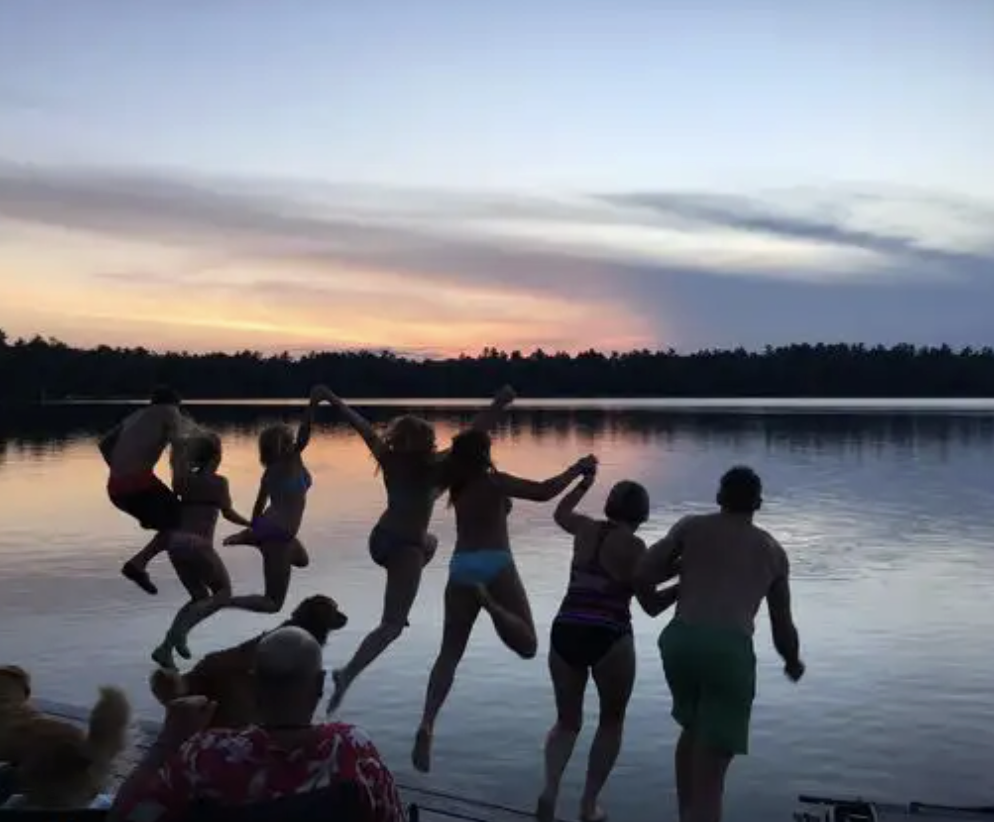
The lake becomes part of their identity.
It’s where holidays are celebrated.
Where the kids learn to swim.
It’s where friendships are built.
And where stress melts away.
That level of happiness doesn’t happen by accident.
It happens because they made informed decisions from the start.
The Biggest Mistake Buyers Make
The biggest mistake isn’t paying too much.
It’s buying on the wrong lake.
Price can be negotiated.
A bad lake choice can’t be fixed.
That’s why the happiest homeowners invested time in education before emotion took over.
The Bottom Line
Every happy lakefront homeowner has one thing in common:
They understood the lake before buying the house.
They treated the lake as the main investment.
The house was simply the bonus.
When you do it this way, you dramatically increase your chances of:
- • Loving your property long term
• Protecting your investment
• Enjoying the true lakefront lifestyle
And that’s what lake living is really about.
If you’re thinking about buying a lakefront home, the smartest first step isn’t scrolling listings.
It’s learning what truly makes one lake better than another for your lifestyle and financial goals.
Because once you experience lakefront living done right, most people wonder how they ever lived without it.
Posted by Scott Freerksen “The Lake Guy”