

There’s nothing quite like opening up the throttle on a calm lake morning, carving through glassy water, and feeling that instant connection between machine and lifestyle. For many lakefront buyers and owners, a personal watercraft (PWC), often called a jet ski, is one of the easiest ways to unlock that full lakefront living experience. But buying used can either be a smart investment or a costly mistake, depending on what you look for before handing over your money.
Here’s how to make sure your next PWC purchase adds to your lake lifestyle, not your list of headaches.
1. Start With the Right Brand and Model
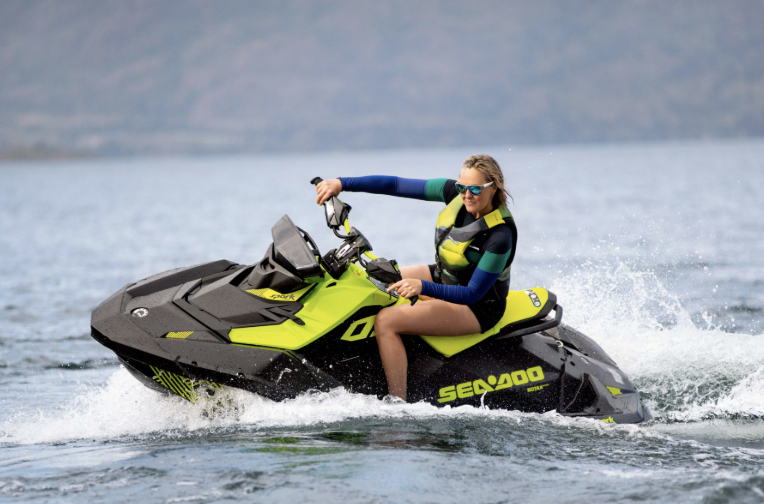
Not all PWCs are created equal. The most reputable brands include Sea-Doo, Yamaha WaveRunner, and Kawasaki Jet Ski. These manufacturers have built strong reputations for reliability, parts availability, and long-term durability.
Focus on models that match how you’ll use the lake:
- Recreation: Great for cruising and casual riding
Performance: Faster, more aggressive handling
Touring: Larger, more stable, often seats 2 to 3 people
If your lake is more about relaxing afternoons than racing, a stable, comfortable touring model is usually the better fit.
2. Check the Engine Hours
Think of engine hours like mileage on a car. Most PWCs last:
- Low hours: Under 100 hours (excellent)
Moderate: 100 to 200 hours (acceptable with good maintenance)
High: 200+ hours (proceed carefully)
A well-maintained PWC with 150 hours can be a better buy than a neglected one with 50 hours. Condition always beats raw numbers.
3. Inspect the Exterior and Hull Carefully
Walk around the entire unit and look closely for:
- Deep scratches or gouges
Cracks in the fiberglass hull
Signs of impact or repair
Fading or oxidation from sun exposure
Light surface scratches are normal. Structural damage is not. Pay extra attention to the underside, where beaching and docking damage often occurs.
4. Look Inside the Engine Compartment
Open the seat and take a good look inside. You are looking for signs of how the machine was treated:
- Clean, dry engine bay = good care
Excessive rust or corrosion = red flag
Oil residue or leaks = potential mechanical issues
If it smells musty or looks neglected, it probably was.
5. Ask About Maintenance History
A responsible owner will have records or at least be able to clearly explain:
- Oil changes
Spark plug replacement
Winterization process
Battery maintenance
If you hear vague answers like “it’s always run great,” dig deeper. Maintenance history tells you everything about how the PWC was treated.
6. Freshwater vs Saltwater Use Matters
This is a big one.
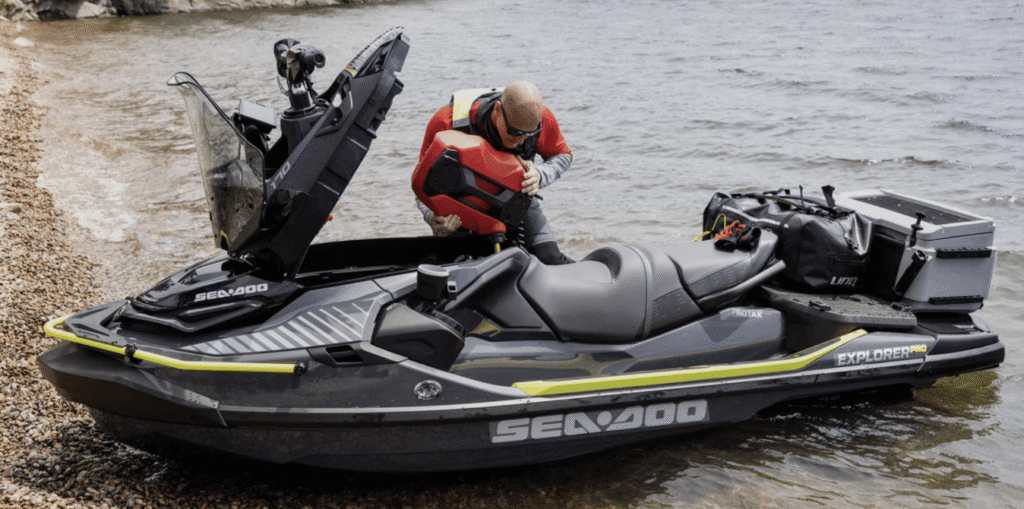
PWCs used exclusively in freshwater lakes typically have:
- Less corrosion
Longer lifespan
Fewer internal issues
Saltwater use is not a dealbreaker, but it requires meticulous flushing and care. If the seller cannot confirm that, proceed cautiously.
7. Test It on the Water
Never buy a used jet ski without seeing it run on the water.
During a test ride, check for:
- Smooth startup
Strong acceleration
No unusual vibrations
Responsive steering
No warning lights or alarms
If the seller won’t allow a water test, that’s a major red flag.
8. Check the Impeller and Intake
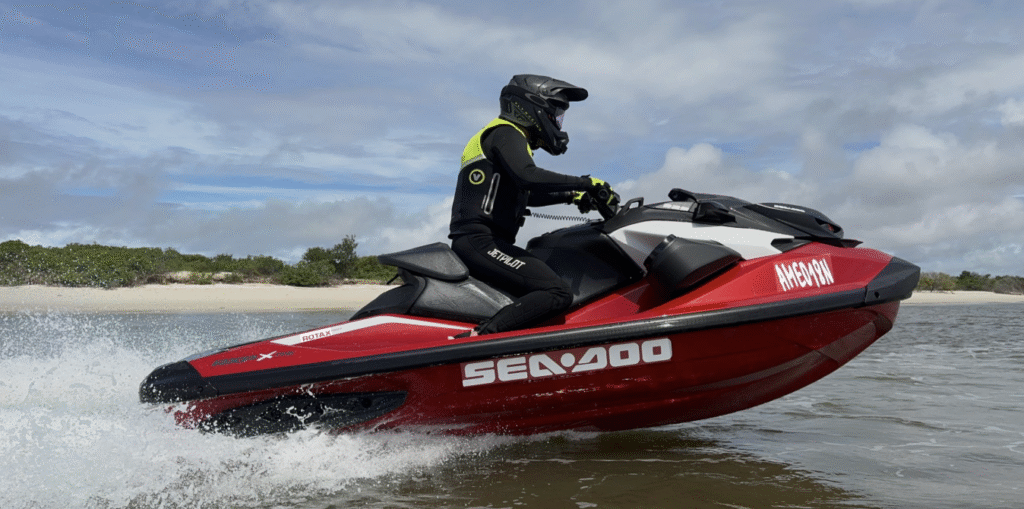
The impeller is what drives the water propulsion system. Damage here can impact performance.
Look for:
- Dings or bends in the impeller
Debris in the intake grate
Reduced thrust during acceleration
Even small damage can lead to costly repairs or poor performance on the water.
9. Evaluate the Trailer (If Included)
Many used PWCs come with a trailer, and that’s part of the value.
Inspect:
- Tires and tread
Rust on the frame
Lights and wiring
Winch condition
A bad trailer can quickly turn into an unexpected expense.
10. Understand the Paperwork
Before you finalize anything, confirm:
- Clean title for both PWC and trailer
Matching VIN/HIN numbers
No liens on the unit
This is especially important in states with strict registration requirements for watercraft.
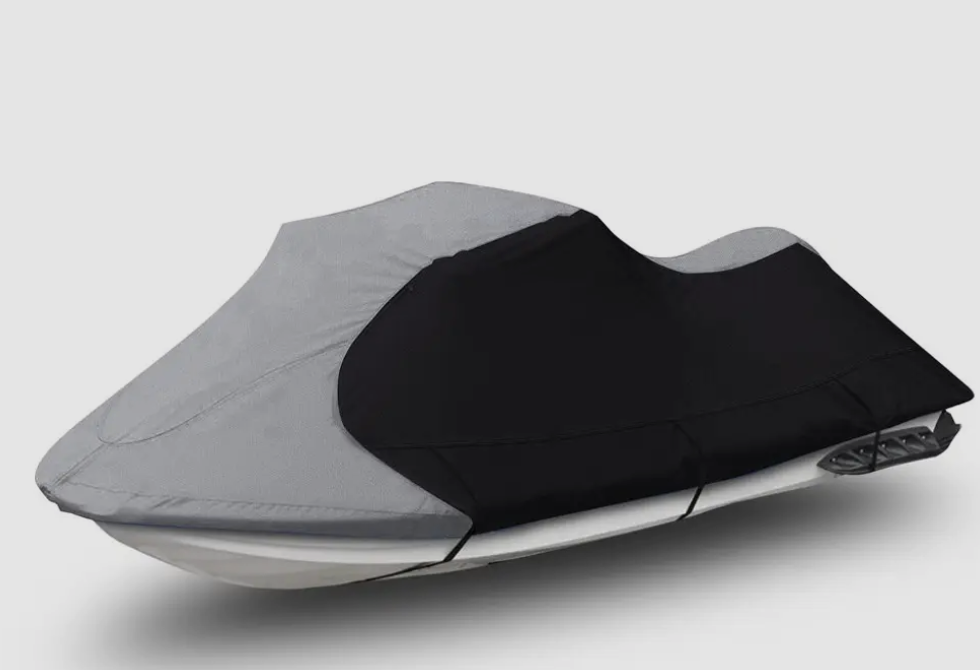
11. Consider Storage and Seasonal Impact
If you own a lakefront home, you already understand how important proper seasonal care is.
Ask:
- Was it stored indoors or outside?
Was it winterized properly each year?
Cold climates like New England demand proper winterization. Skipping that step can cause serious engine damage.
12. Match the PWC to Your Lake Lifestyle
At the end of the day, this is not just about horsepower or price. It is about how the PWC fits into your lake lifestyle.
If your goal is:
- Pulling kids on tubes → prioritize torque and stability
Cruising with guests → comfort and seating matter
Solo adrenaline rides → performance models shine
Just like buying a lakefront home, you are buying the experience.

The Top 10 Questions to Ask the Seller
Before you make your final decision, ask these questions directly:
- How many engine hours are on the PWC?
How long have you owned it?
Why are you selling it?
Has it ever been in saltwater? If so, how was it maintained?
Do you have maintenance and service records?
Has it ever been in an accident or had hull repairs?
When was it last serviced or winterized?
Are there any known mechanical issues right now?
Will you allow a full water test ride before purchase?
Is the title clean and in your name, and are there any liens?
Final Thought
Buying a used jet ski can be one of the smartest ways to elevate your lakefront lifestyle without overspending. But just like purchasing a lakefront property, the key is doing your homework upfront.
The right PWC should feel like an extension of your lake experience. When you find a well-maintained machine that checks all the boxes, you are not just buying a watercraft. You are investing in early morning rides, sunset cruises, and everything that makes lake living special.
And that’s what it’s all about.
Posted by Scott Freerksen “The Lake Guy”