
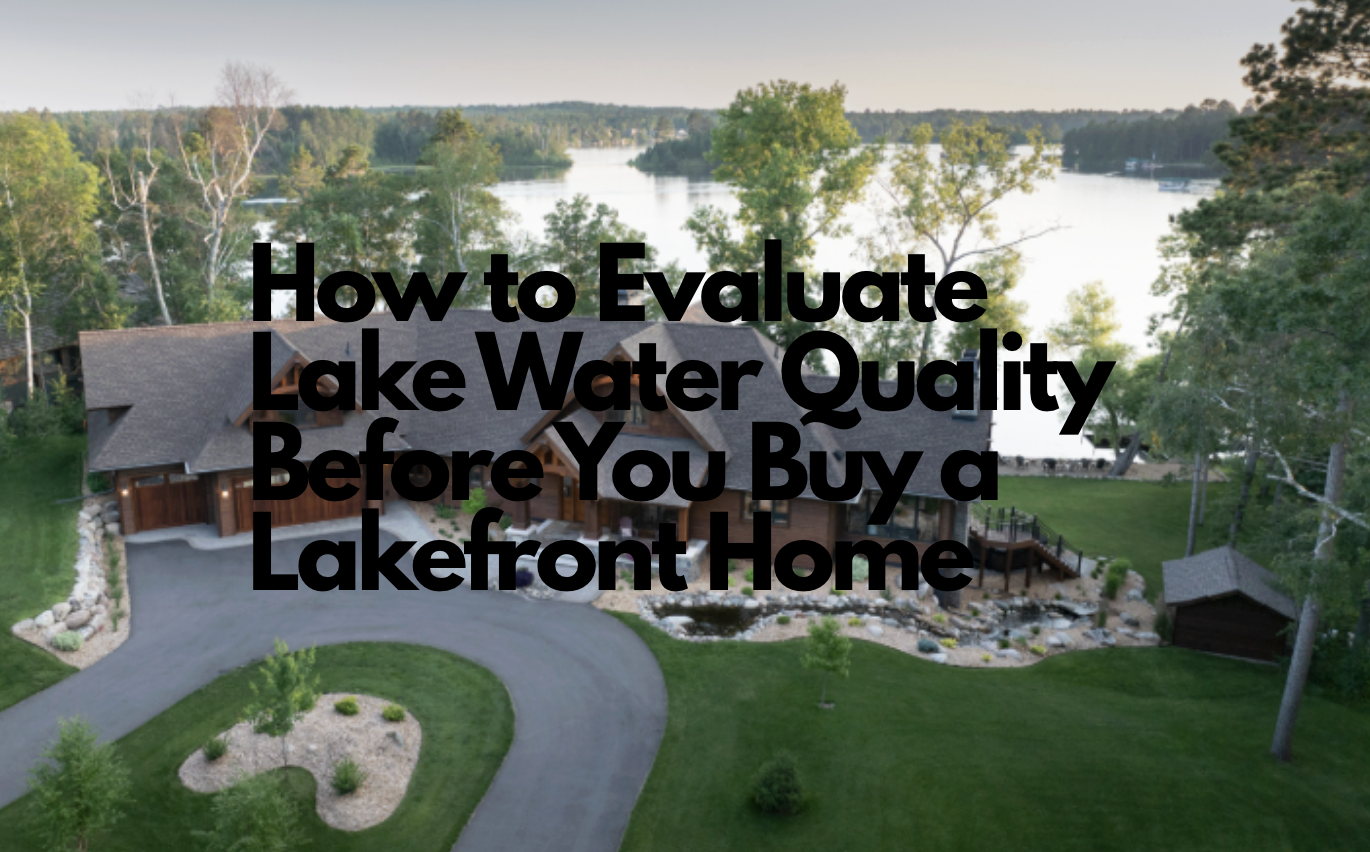
Buying a lakefront home is about far more than the view. One of the most important, and often overlooked, factors is lake water quality. Water quality affects everything from swimming and boating enjoyment to long-term property value, resale demand, and even your health.
Many lakefront buyers assume that if a lake looks clean, it must be safe and well-maintained. Unfortunately, that is not always true. Understanding how to evaluate water quality before closing can save you from costly surprises and help ensure the lake lifestyle you are dreaming about matches reality.

Why Water Quality Matters More Than You Think
Lake water quality directly impacts how you will use the lake. Poor water quality can mean frequent swimming restrictions, excessive weed growth, algae blooms, unpleasant odors, and reduced fish populations.
From a financial standpoint, lakes with strong water quality records tend to maintain higher property values and see stronger long-term appreciation. Lakes with recurring water issues often struggle with buyer hesitation, longer days on market, and downward pressure on pricing.
Water quality is not just an environmental concern. It is a lifestyle and investment concern.
Key Water Quality Indicators Every Buyer Should Know
Before buying lakefront property, it helps to understand the most common measurements used to evaluate lake health.
Water clarity
Often measured using a Secchi disk, clarity indicates how far sunlight penetrates the water. Clearer water usually supports better recreation and lower algae levels. Sudden drops in clarity can indicate nutrient runoff or algae blooms.
Algae and cyanobacteria
Not all algae is bad, but harmful algal blooms can produce toxins that are dangerous to people and pets. Cyanobacteria advisories are a serious red flag that buyers should investigate carefully.
Nutrient levels
Phosphorus and nitrogen are the primary nutrients tested. Elevated levels often come from fertilizer runoff, septic systems, and stormwater. High nutrients fuel algae and weed growth.
Bacteria levels
E. coli testing is commonly used to determine whether water is safe for swimming. Temporary spikes may happen after heavy rain, but recurring issues deserve attention.
Aquatic vegetation
Some plant growth is normal and healthy. Excessive weeds, invasive species, or dense mats can interfere with boating, swimming, and shoreline access.

Where to Find Lake Water Quality Reports
One of the most common mistakes buyers make is not knowing where to look for data. In many areas, water quality information is publicly available if you know how to find it.
Start with the town or municipality where the lake is located. Many towns publish annual or seasonal water quality reports online.
Lake associations are another excellent resource. Well-managed lakes often have associations that fund testing, weed management, and long-term preservation plans.
State environmental agencies also maintain databases for monitored lakes. These reports may include historical trends that show whether water quality is improving or declining.
If information is not readily available, ask your real estate agent who specializes in lakefront property. Experienced lakefront agents often know which lakes have strong management programs and which have ongoing challenges.
How to Interpret the Data Like a Pro
Raw data can be confusing without context. A single elevated reading does not necessarily mean a lake is unhealthy.
Look for patterns over time rather than one-off results. Consistent clarity readings, stable nutrient levels, and limited advisories suggest good long-term lake health.
Pay attention to trends. A lake with slightly elevated nutrients that are trending downward due to active management may be a better long-term investment than a lake with perfect numbers that are deteriorating.
Also consider how the lake is used. Heavily developed lakes may require more active management than remote or protected lakes.
Red Flags Buyers Should Not Ignore
Certain warning signs deserve extra scrutiny before moving forward.
Repeated swimming bans or pet advisories
Chronic algae bloom history
Lack of any testing or lake management plan
Invasive species that are not being controlled
Heavy shoreline erosion or failing septic systems nearby
These issues do not always mean you should walk away, but they should influence pricing, negotiations, and your long-term expectations.
How Water Quality Affects Property Value
Lakefront properties on clean, well-managed lakes typically command premium prices and sell faster. Buyers are willing to pay more for confidence and peace of mind.
On the other hand, lakes with known water quality issues often experience reduced buyer pools. Financing and insurance can also become more complicated if a lake has environmental concerns.
Understanding water quality before you buy allows you to make a more informed investment decision and avoid emotional overpaying.
Questions to Ask Before Closing
Before committing to a lakefront purchase, ask these questions:
How often is the lake tested
Who funds and manages water quality efforts
Have there been recent advisories or restrictions
Are there planned improvement projects
How do seasonal conditions affect the lake
These answers will help you determine whether the lake aligns with your lifestyle and long-term goals.
Final Thoughts
Evaluating lake water quality is one of the smartest steps a lakefront buyer can take. It protects your lifestyle, your family, and your investment.
A beautiful home on an unhealthy lake will never deliver the lakefront experience most buyers envision. Doing your homework upfront ensures that the lake you fall in love with today will still be a place you enjoy for years to come.
Posted by Scott Freerksen “The Lake Guy”