
One of the most common questions new boaters ask is, “Who has the right of way on a lake?” It’s a great question because unlike driving a car on a road with painted lanes and traffic signals, boating can sometimes feel like organized chaos. Boats move in every direction, speeds vary dramatically, and not everyone on the water has the same level of experience.
The good news is that there are established navigation rules designed to keep everyone safe. Whether you’re cruising on a pontoon boat, towing tubers behind a ski boat, paddling a kayak, or fishing from a bass boat, understanding right-of-way rules can help prevent accidents and make your time on the water more enjoyable.
The First Rule: Avoid a Collision
Before discussing specific right-of-way situations, it’s important to understand the most important boating rule of all: every operator is responsible for avoiding a collision.
Even if another vessel is supposed to yield to you, you cannot simply hold your course and expect everything to work out. Safe boating requires constant awareness and defensive operation. If a collision appears likely, take action to avoid it regardless of who technically has the right of way.
Think of it like driving. Even if you have a green light, you still don’t drive through an intersection if someone runs a red light.
Powerboat vs. Powerboat
Most right-of-way situations on lakes involve two powerboats approaching one another.
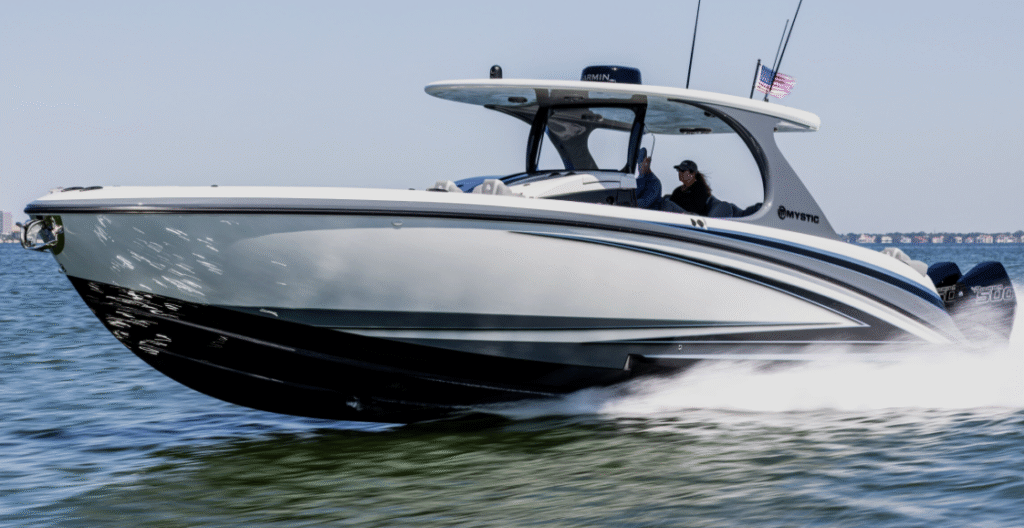
Head-On Situation
When two powerboats are approaching each other head-on, both vessels should alter course to starboard (right). This allows each boat to pass safely on the other’s port side (left).
If both operators make small, early adjustments, the situation remains predictable and safe.
Crossing Situation
When two powerboats are crossing paths, the boat on the right generally has the right of way.
A simple way to remember this is:
- If another boat is approaching from your starboard (right) side, you should yield.
- The vessel that must yield is called the “give-way vessel.” The boat with the right of way is called the “stand-on vessel.”
- The give-way vessel should make an obvious course or speed change early enough that the other operator can clearly understand the intention.
Overtaking Situation
If you are approaching another vessel from behind, you are the overtaking vessel and must keep clear.
The boat being overtaken has the right of way.
This rule applies whether you’re passing on the left or right side. The operator doing the overtaking is responsible for making a safe pass while maintaining sufficient distance.
Sailboats Generally Have Priority
When a sailboat is operating under sail alone, it generally has the right of way over powerboats.
Why?
Because sailboats are less maneuverable and cannot always quickly change direction or speed.
If you’re operating a motorized boat and encounter a sailboat under sail, you should typically yield and give it plenty of room.
However, if the sailboat is using its engine, it is considered a powerboat and follows the same rules as other motorized vessels.

Human-Powered Watercraft
Kayaks, canoes, paddleboards, and rowing shells are becoming increasingly common on lakes throughout the country.
These smaller craft are more vulnerable and harder to see than larger boats.
While navigation rules can become more nuanced depending on the situation, experienced boaters generally give human-powered watercraft a wide berth whenever possible.
A pontoon boat can easily maneuver around a kayak. A kayak may not be able to avoid a speeding boat nearly as easily.
The safest approach is simple: slow down and give paddlers plenty of space.

Fishing Boats and Anchored Vessels
A boat that is anchored is generally not expected to maneuver out of your way.
If you see an anchored fishing boat, you should navigate around it safely.
Likewise, many anglers fishing shorelines, weed beds, docks, or structure may have limited ability to move quickly. While they don’t automatically have the right of way in every situation, courteous boaters avoid creating large wakes and provide ample space.
Nothing ruins a morning of fishing faster than a speedboat throwing a three-foot wake directly through a fishing area.
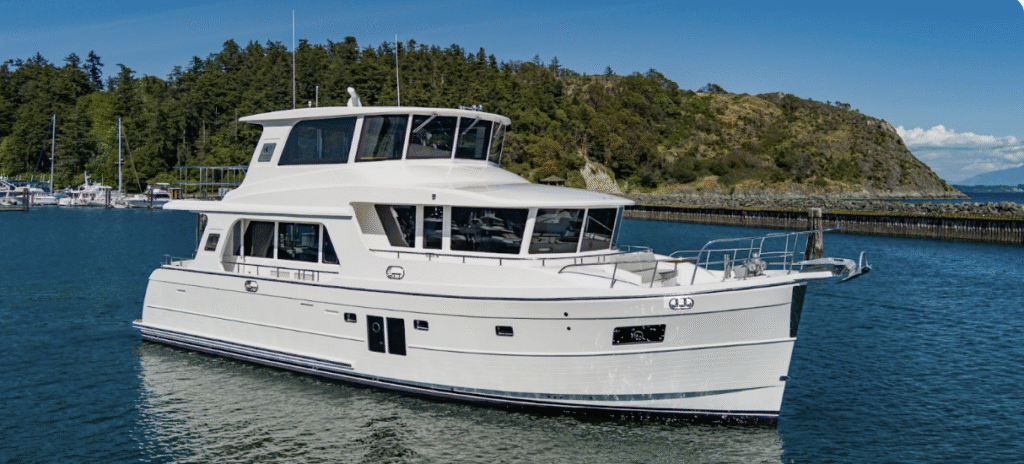
Large Boats Have Limited Maneuverability
On larger lakes, reservoirs, and waterways, you may encounter larger vessels that require additional consideration.
The bigger the boat, the longer it takes to stop, turn, or alter course.
Even if a smaller vessel technically has certain rights under navigation rules, it is always wise to stay well clear of larger boats.
A simple boating philosophy is: never challenge a vessel that is significantly larger than yours.
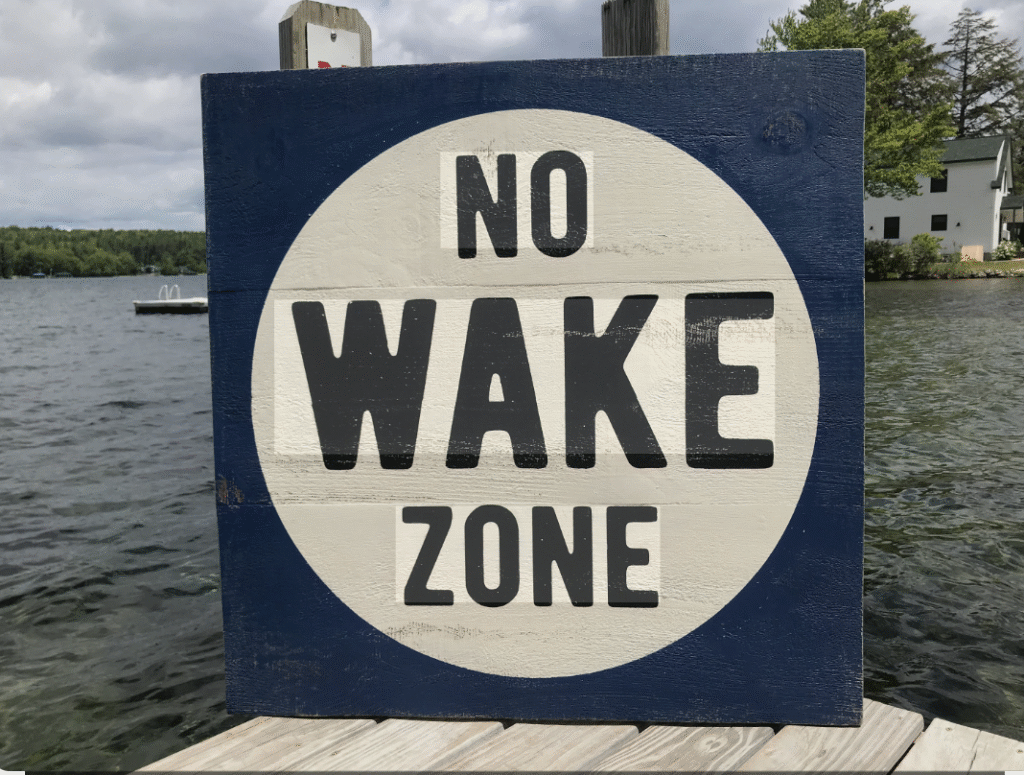
Understanding No-Wake Zones
Right-of-way discussions often overlook one important factor: speed.
Many accidents occur because operators are moving too fast for conditions.
When entering a no-wake zone, all vessels must reduce speed sufficiently to minimize wake. This is especially important near:
- Docks
Marinas
Boat launches
Swimming areas
Narrow channels
Shoreline homes
Remember that your wake can cause damage even after you’ve passed. Large wakes can rock boats against docks, erode shorelines, and create hazardous conditions for swimmers and paddlers.
Common Courtesy Still Matters
While navigation rules are important, good boating etiquette often prevents problems before they start.
Some examples include:
- Slowing near swimmers and paddlecraft
Giving anglers extra room
Avoiding repetitive circles near shorelines
Respecting no-wake zones
Keeping music at reasonable levels near homes and marinas
Being patient at boat launches
Most conflicts on lakes aren’t caused by misunderstandings of navigation law. They’re caused by operators failing to consider how their actions affect others.
Teaching the Next Generation
Many lake homeowners introduce children and grandchildren to boating every year. Teaching right-of-way rules early helps build safer habits that can last a lifetime.
Before handing over the wheel, spend time discussing:
- Safe speeds
Lookout responsibilities
Navigation markers
Right-of-way rules
Emergency procedures
A few minutes of education can prevent years of bad habits.
The Bottom Line
The right-of-way rules on a lake are designed to make boating predictable and safe. In general, boats approaching from your right have priority, overtaking vessels must yield, sailboats typically have priority over powerboats, and anchored vessels should be avoided.
But perhaps the most important rule isn’t found in any boating handbook:
- Operate with caution, courtesy, and common sense.
The best boaters aren’t the ones who constantly insist on their right of way. They’re the ones who anticipate problems, avoid conflicts, and make everyone else’s day on the water a little safer.
After all, whether you’re fishing, waterskiing, cruising, paddling, or simply enjoying the sunset from your dock, we’re all sharing the same lake.
Posted by Scott Freerksen “The Lake Guy”