

For many buyers over 50, a lakefront home is not an impulse purchase. It is the reward. The place you imagined during long workweeks, busy family schedules, and years of putting everyone else first. Now the timing feels right. The kids are grown, careers are established, and the idea of slowing down near the water finally feels possible.
But buying a lakefront home later in life is different than buying one at 30. The priorities shift, the risks are different, and the definition of “perfect” changes in important ways. Here is what buyers over 50 need to think about before committing to their first lakefront property.
The lifestyle shift is real
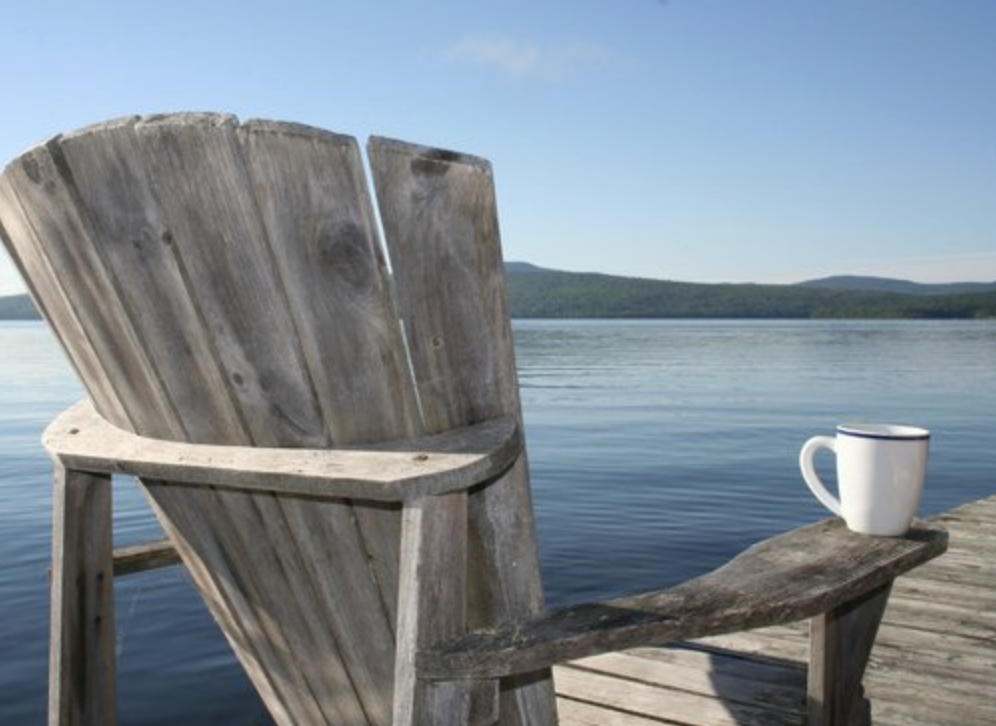
Many buyers picture lake living as an extended vacation. Mornings on the dock. Coffee with a view. Quiet evenings watching the water change color. That part is very real.
What often surprises first time lakefront buyers over 50 is how much daily life changes. Lake living slows you down in a good way, but it also makes you more aware of your surroundings. Weather matters more. Seasons feel more distinct. Your home becomes a place you experience, not just occupy.
That shift is powerful, but it is important to choose a lake and a home that support the life you actually want to live, not just the life you imagine on a perfect summer weekend.
Mobility and layout matter more than ever
One of the biggest mistakes buyers over 50 make is falling in love with a view and ignoring the layout.
Stairs are the most common regret. Steep staircases to the water, multi level floor plans, and long sloped paths may feel manageable during a showing. Over time, they can become a daily frustration or even a safety issue.
Smart buyers prioritize:
- Single level living or a primary suite on the main floor
- Gentle paths to the shoreline rather than long stair runs
- Easy access docks with stable surfaces and railings
- Minimal exterior maintenance areas that require climbing or balancing
You may be perfectly active today, but a lakefront home should support you for the next 10 to 20 years, not just the next few summers.
Winter access and maintenance are often overlooked
Many buyers over 50 plan to use their lake home year round, even if only on weekends. Winter changes everything.
Before buying, you should understand:
- Who plows the road and how quickly after a storm
- Whether the driveway grade is manageable in snow and ice
- If the home is truly winterized or just labeled as such
- How ice and snow affect dock removal and storage
Some lakes are peaceful and magical in winter. Others become difficult to access. Knowing the difference up front avoids frustration later.

Dock safety and shoreline design matter
Docks are a huge part of lakefront living, but not all docks are created equal.
Buyers over 50 should look closely at:
- Dock stability and surface materials
- Ladder placement and ease of exiting the water
- Whether the dock adjusts easily to water level changes
- Shoreline slope and footing near the water
A beautiful dock that is hard to use will eventually go unused. A modest dock that feels safe and easy will become the heart of your lakefront experience.
Community fit is just as important as the home
Lakes have personalities. Some are quiet and reflective. Others are active and social. Some lean toward families with young kids, while others naturally attract empty nesters and retirees.
Before buying, spend time learning:
- The average age of lake residents
- How active the lake is on weekends versus weekdays
- Whether there is a lake association and how involved it is
- If short term rentals are common or restricted
For buyers over 50, the right community can make a lakefront home feel instantly comfortable. The wrong one can leave you feeling out of place.

Healthcare access and emergency response
This is not a topic buyers love to think about, but it matters.
Ask practical questions:
- How far is the nearest hospital
- Are roads accessible year round for emergency vehicles
- Is the home easy to locate for first responders
These factors do not diminish the lifestyle. They protect it.
Maintenance reality versus expectation
Lakefront homes demand attention. Water, sun, and weather accelerate wear. Docks, boats, shoreline features, and mechanical systems all require upkeep.
Buyers over 50 often prefer:
- Smaller, well designed homes over oversized properties
- Low maintenance exteriors
- Manageable shoreline lengths
- Reliable local service providers
The goal is freedom, not another full time job.
Financial clarity brings peace of mind
At this stage of life, most buyers want predictability. Lakefront ownership includes expenses beyond the mortgage.
Understand:
- Dock permits and replacement costs
- Septic system age and future upgrade requirements
- Shoreline stabilization needs
- Insurance considerations specific to waterfront homes
Clear expectations make ownership enjoyable instead of stressful.

The emotional payoff is worth it
When buyers over 50 choose the right lake, the right home, and the right setup, something special happens. The lake becomes a place of renewal. A place to reconnect with a spouse. A place where kids and grandkids want to visit. A home that brings calm without boredom.
Lakefront living at this stage of life is not about escape. It is about alignment. Aligning your home with how you want to live now and in the years ahead.
Final thought
Buying your first lakefront home after 50 can be one of the most rewarding decisions you ever make if you approach it with clarity instead of emotion alone.
The right lakefront home will not just look good in photos. It will feel right on a quiet Tuesday morning, in the middle of winter, and years down the road when your priorities continue to evolve.
That is when lakefront living becomes more than a dream. It becomes home.
Posted by Scott Freerksen “The Lake Guy”