
One of the biggest perks of owning a lakefront home is easy access to the water. Building dock for morning swims, a boat lift to protect your investment, or a stabilized shoreline to prevent erosion can dramatically improve how you enjoy your property. The big question most lakefront buyers and owners ask is simple but important: Can I actually do this?
The short answer is maybe. The longer and more accurate answer is it depends on the lake, the governing authorities, and your specific shoreline. Before you buy a property or plan improvements, it is critical to understand how docks, lifts, and shoreline changes are regulated.
Below is a clear, practical guide to what you need to know before breaking ground or driving a single post into the lakebed.
Who Regulates What You Can Do on a Lake?
Lakefront improvements are rarely controlled by just one authority. In most cases, you will be dealing with several layers of oversight.
Common governing bodies include:
- The town or municipality
- The lake association or HOA
- The state environmental or natural resources department
- In some cases, the U.S. Army Corps of Engineers
Each group may have its own rules, permits, and approval process. Some lakes are considered navigable waterways, which brings federal oversight into play. Others are private or semi private and controlled primarily by a lake association.
This is why two homes on different lakes can have dramatically different rules even if they are in the same town.
Can I Build a Dock?
In many cases, yes. But there are conditions.
What usually matters:
- Lake size and classification
- Water depth and bottom conditions
- Shoreline frontage length
- Distance from neighbors and navigation channels
- Whether docks are seasonal or permanent
Some lakes allow only seasonal docks that must be removed in winter. Others allow permanent structures but require specific materials, widths, and lengths. Many lakes limit how far a dock can extend into the water to protect navigation and views.
Dock permits and approvals
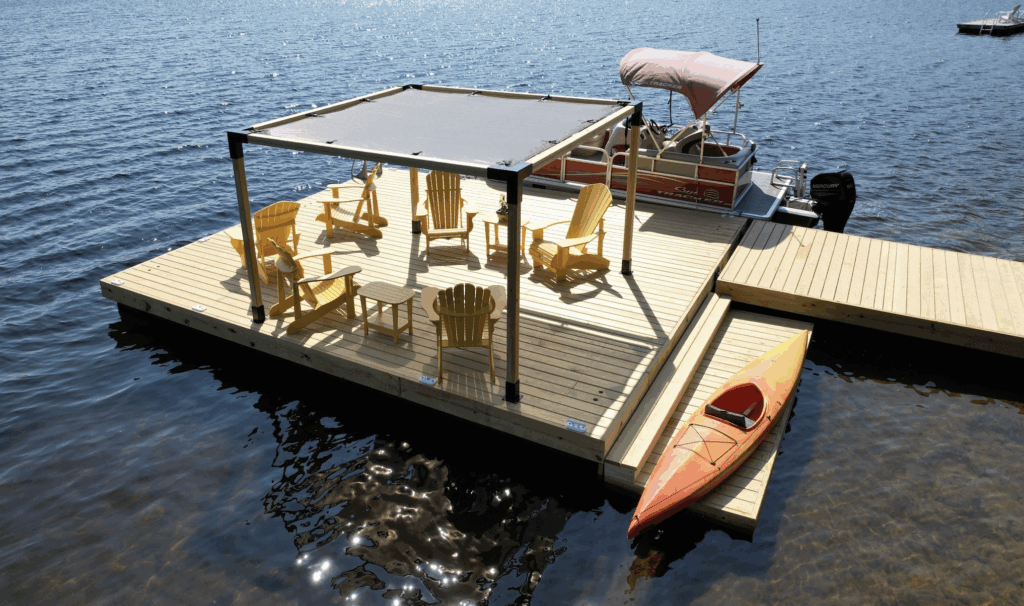
Most docks require at least one permit. This may come from the town, the lake association, or the state. Some lakes require engineered drawings. Others may only need a simple application and fee.
A common mistake buyers make is assuming an existing dock is fully permitted and transferable. That is not always true. In some cases, a dock may be grandfathered but cannot be replaced or expanded if damaged.
What About Adding a Boat Lift?
Boat lifts are often treated differently than docks.
Key considerations for boat lifts:
- Lift type such as floating, cantilever, or vertical
- Boat size and weight
- Seasonal removal requirements
- Visual impact from neighboring properties
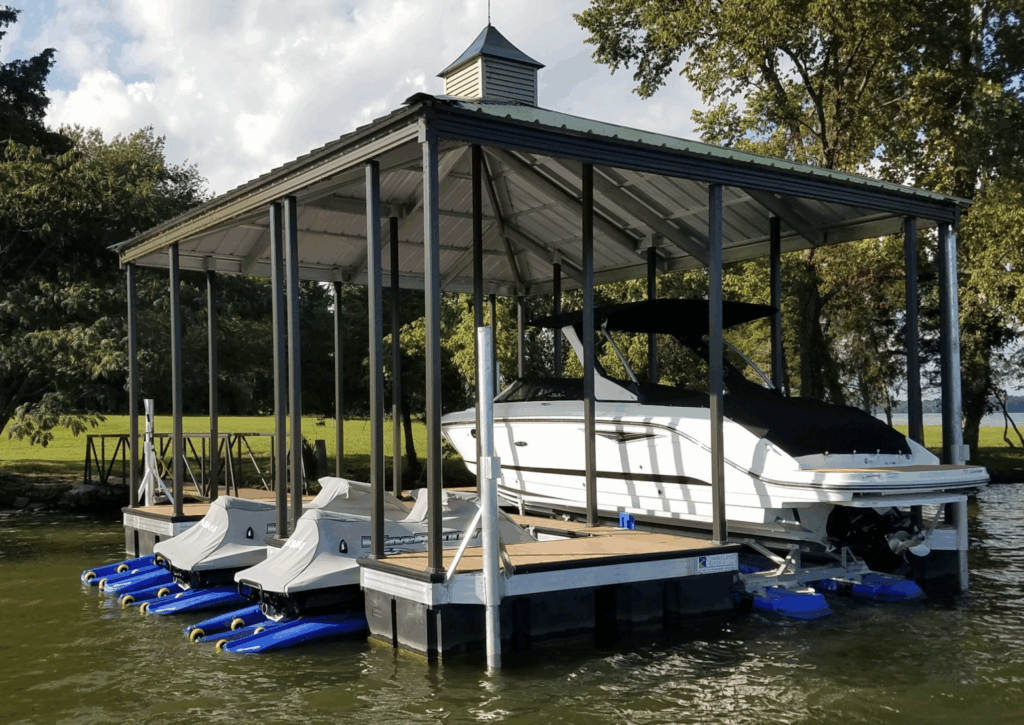
Some lakes allow lifts only if they are attached to an approved dock. Others restrict lifts altogether due to concerns about navigation, water quality, or visual clutter.
If lifts are allowed, you may still need approval for the exact model and placement. Many lake associations maintain a list of approved lift types to ensure consistency around the lake.
Can I Change or Improve the Shoreline?
Shoreline changes are typically the most regulated of all lakefront improvements.
Common shoreline projects include:
- Riprap or stone stabilization
- Replacing eroded soil
- Removing invasive plants
- Adding native vegetation buffers
Hardscaping the shoreline with retaining walls or large boulders may be prohibited or heavily restricted. Many states now encourage natural shoreline buffers instead of walls to reduce erosion and improve water quality.
Even small changes like adding fill, moving rocks, or cutting vegetation at the water’s edge can require permits.

Why shoreline rules are strict
Shorelines play a major role in lake health. Poorly planned modifications can increase erosion, harm fish habitats, and contribute to algae blooms. Because of this, state agencies often require environmental review before approving shoreline work.
The Role of Lake Associations and HOAs
If your lake has an association, its rules can be just as important as local or state regulations.
Lake associations often control:
- Dock size and design standards
- Lift visibility and placement
- Shoreline vegetation requirements
- Timing of construction
Some associations are flexible and homeowner friendly. Others are very strict and actively enforce their rules. Always review the association bylaws before purchasing a lakefront property. Verbal assurances from sellers or neighbors are not enough.
Why Buyers Need to Ask These Questions Early
Too often, buyers fall in love with a lakefront home assuming they can add a dock or lift later, only to discover they cannot.
Before purchasing, you should:
- Confirm dock and lift rights in writing
- Verify existing structures are permitted
- Ask what changes are allowed versus prohibited
- Understand seasonal removal requirements
This is especially important on smaller lakes or environmentally sensitive bodies of water where restrictions tend to be tighter.
Cost and Timeline Considerations
Even when improvements are allowed, they are rarely quick or inexpensive.
Typical costs may include:
- Permit application fees
- Engineering or site plans
- Environmental impact reviews
- Construction and installation
Approval timelines can range from a few weeks to several months. In some states, applications are only reviewed during certain times of the year.
Planning ahead is key, especially if you want your dock or lift ready for summer use.
A Real World Example
Two lakefront homes may look identical from the water, but one may have full dock and lift rights while the other has none. The difference often comes down to shoreline frontage, historic usage rights, or lake classification.
This is why working with a lakefront specialist matters. Someone who understands these nuances can help you avoid costly surprises and make informed decisions.
Final Thoughts
Building a dock, adding a boat lift, or changing the shoreline can significantly enhance your lakefront lifestyle, but only if you do it the right way.
Every lake has its own rules, and assumptions can be expensive. Before you buy or build, take the time to understand what is allowed, what is restricted, and what approvals are required.
When it comes to lakefront property, knowledge is not just power. It is peace of mind.
Posted by Scott Freerksen “The Lake Guy”