
Buying a lakefront home is exciting on its own, but purchasing one that will double as a short term lakefront rental can be a game changer for building wealth, offsetting ownership costs, and giving guests an unforgettable place to recharge. Lakefront properties often command higher demand, stronger nightly rates, and repeat visitors who crave that one of a kind waterfront experience. To make sure your investment performs well from day one, here are the top ten tips every buyer should know before closing on a lake home they plan to rent.
1. Confirm Rental Legality and Local Regulations
Before you fall in love with the view, verify that short term rentals are legally allowed. Every lake community has its own rules. Some towns welcome vacation rentals, while others limit them or require special permits. Look for zoning regulations, HOA restrictions, lake association rules, occupancy limits, and noise ordinances. Call the town directly to confirm, do not rely only on online information. Getting clarity up front can prevent costly surprises later.
2. Understand Lake Rules and Water Use Guidelines
Each lake has its own personality and its own rules. Some allow motorboats while others are restricted to electric motors or paddling only. Your rental appeal will be influenced by what guests can do on the water. Make sure you understand permitting for docks, boat lifts, moorings, and jet skis. Lakes with clean water, generous boat use, and strong recreation options tend to attract higher year round rental demand.
3. Evaluate the Shoreline and Water Quality
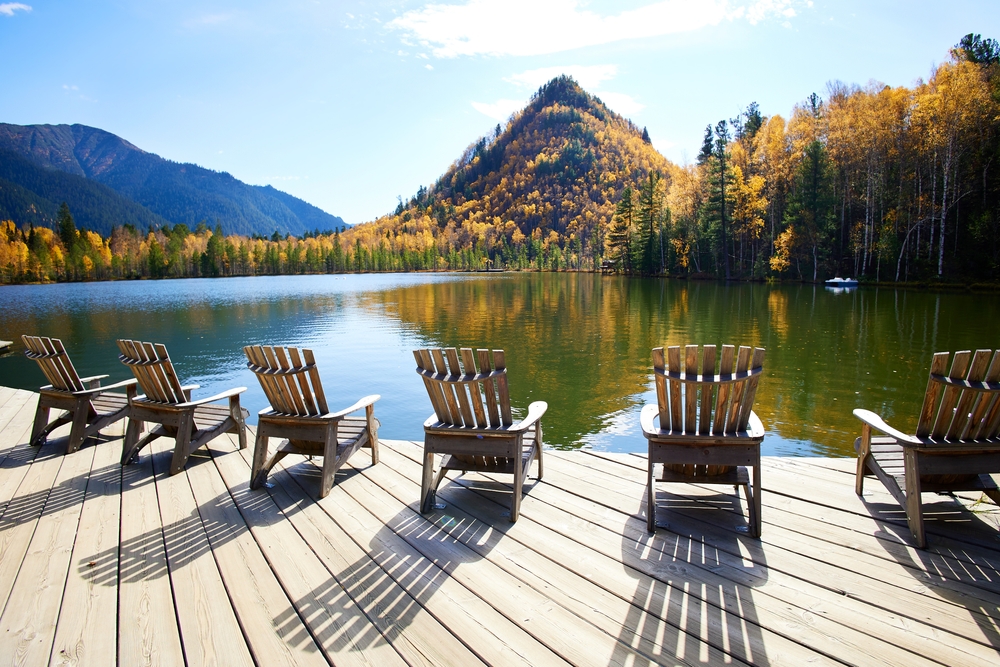
Guests want easy access to the water. A beautiful lake does not always mean a perfect shoreline. Visit during different times of year to understand water levels, weed growth, clarity, and potential flooding. A sandy, gradual entry often appeals to families, while deep water frontage attracts boaters and anglers. Shoreline quality plays a major role in guest satisfaction and repeat bookings.
4. Prioritize Properties With Strong Year Round Appeal
Some lakes shine only in summer. Others offer value in all four seasons. When running a short term rental, four season appeal is ideal. Lakes with nearby hiking, skiing, wineries, dining, festivals, ice fishing, snowmobiling, or fall foliage drives will help you keep the rental calendar full even in the quieter months. Year round destinations outperform seasonal only locations.
5. Choose a Layout That Fits Diverse Guest Groups
Your ideal guests will vary. Families, couples, friend groups, and multigenerational gatherings all look for different features. Prioritize flexible layouts such as multiple bedrooms, extra sleeping areas, second living spaces, outdoor lounges, and full size kitchens. Homes with at least two bathrooms tend to book faster. Remember that comfort drives reviews, and reviews drive future bookings.
6. Look for Easy, Low Maintenance Waterfront Features
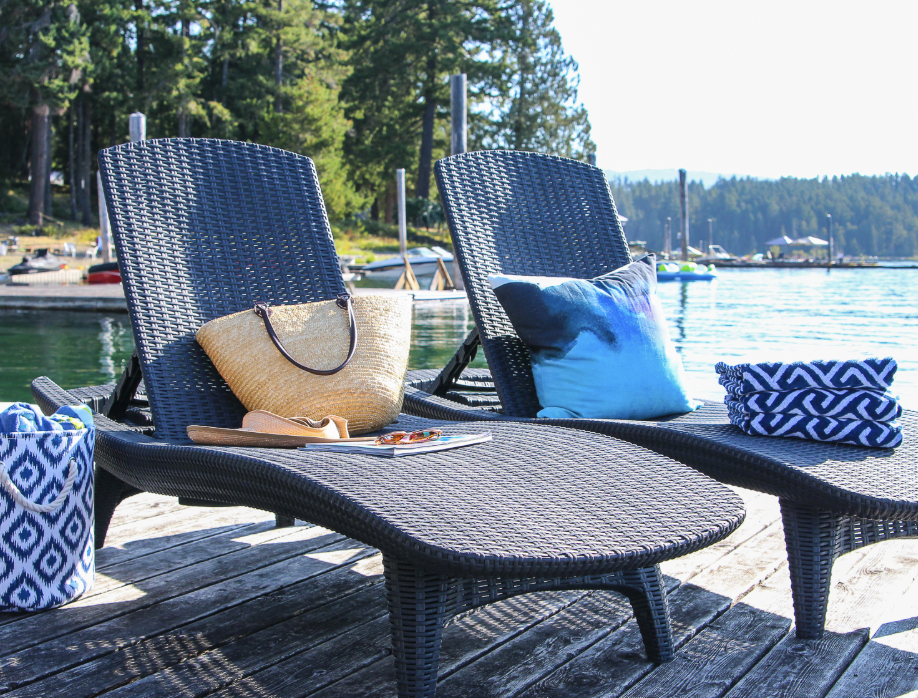
Rental turnover can be tough on lakefront properties. Look for durable docks, sturdy stairs to the water, weather resistant exterior materials, and low maintenance landscaping. A clean and functional waterfront area makes guests happy and reduces the number of calls you receive during their stay. Durable design choices can save significant money over time.
7. Choose the Right Style of Lake and the Right Market
Not all lakes are created equal. Some are rural and quiet, while others are busy and full of activity. Consider your intended guest. Do they want a peaceful paddling lake, or a fully recreational lake with boating and activities? Research average nightly rates, occupancy trends, competition, and seasonal patterns. Study comparable rentals on Airbnb and VRBO and look at their calendars, reviews, and pricing.
8. Understand the Cost of Ownership
Lakefront homes come with unique costs. Consider flood insurance, higher utility demands, shoreline maintenance, septic upkeep, and water quality monitoring. Factor in furnishings, linens, hot tubs, fire pits, kayaks, and smart home systems. Build these into your pricing strategy so your rental income always stays ahead of your expenses. Many successful lakefront owners use a property manager to help streamline operations.
9. Prioritize Parking, Access, and Guest Logistics
Many lakes were developed decades ago and have narrow roads, limited parking, or challenging driveways. Guests bring multiple vehicles, kayaks, paddleboards, and gear. Make sure the property can support easy access, clear parking, and safe navigation for all guests. Good lighting, clear signage, and simple instructions go a long way in preventing headaches.

10. Maximize Outdoor Spaces and Entertainment Areas
Guests choose lake homes for the experience. Outdoor living areas are often the first thing they remember. Invest in comfortable furniture, safe steps to the water, upgraded decks, well placed lighting, fire pits, picnic areas, and shaded spaces. Add amenities like kayaks, lawn games, hammocks, and water toys. Homes that create an effortless lake lifestyle attract five star reviews and higher rental rates.
Final Thoughts
A lakefront home can become both a personal retreat and a profitable short term rental when purchased with strategy and insight. Focus on legal clarity, strong year round appeal, smart design choices, and unforgettable guest experiences. With the right property, the lake can work for you every week of the year while creating priceless memories for your guests.
Posted by Scott Freerksen “The Lake Guy”